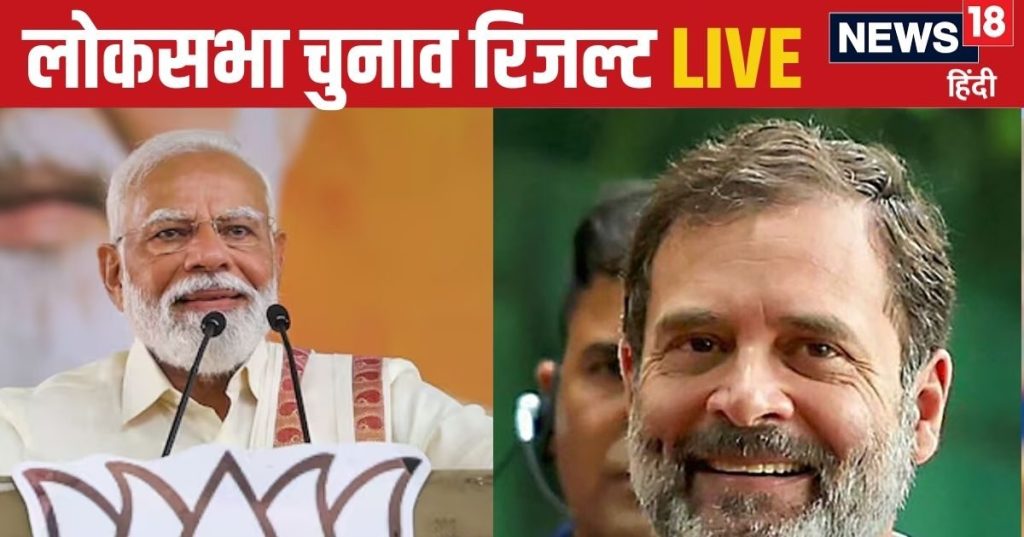
Local sources from India: News18 हिंदी, BBC News हिंदी.
UK coverage: Financial Times.
In a surprising turn of events, Indian Prime Minister Narendra Modi and his Bharatiya Janata Party (BJP) have lost their parliamentary majority in the recent general elections. According to charts presented by the Financial Times, the BJP lost ground in key states, resulting in a decrease in their overall seat count. This loss of majority could have significant implications for Modi’s ability to push through major policy reforms in the future.
The rise of regional parties, such as the Trinamool Congress and the Yuvajana Sramika Rythu Congress Party, has contributed to the BJP’s loss of majority. These parties gained significant seats in their respective states, indicating a shift in political dynamics.
The News18 हिंदी article titled ‘Lok Sabha Election Result 2024 Live Update: Latest Trends, Winner List of BJP, Congress, AAP, Samajwadi Party, BSP, TMS Seats Details’ provides further details on the election results. The article highlights that the Bharatiya Janata Party-led National Democratic Alliance (NDA) unanimously elected Narendra Modi as their leader for the third consecutive time. The NDA government expressed its commitment to serving the various sections of society, including the poor, women, youth, farmers, and oppressed citizens.
The article also mentions the presence of prominent leaders from different parties in a meeting held at the Prime Minister’s residence. Leaders such as N. Chandrababu Naidu, Nitish Kumar, Eknath Shinde, and Chirag Paswan expressed their confidence in Modi’s leadership.
On the other hand, the BBC News हिंदी article titled ‘Why did BJP’s coalition politics not work in Maharashtra?’ delves into the reasons behind the BJP’s failure in coalition politics in Maharashtra. The article highlights that the Maha Vikas Aghadi, consisting of Shiv Sena, Congress, and NCP, achieved remarkable success by surpassing the Mahayuti alliance led by the BJP.
The article identifies several factors contributing to the BJP’s defeat in Maharashtra. Firstly, the absence of a Modi wave in the state played a significant role. The charisma of Narendra Modi, which had influenced previous elections, did not have the same impact this time.
Secondly, the division within the opposition parties, including the Shiv Sena and NCP, did not benefit the BJP. Instead, it garnered sympathy for the weakened parties and their leaders, Uddhav Thackeray and Sharad Pawar.
Thirdly, the article highlights the anger among farmers in Maharashtra, particularly regarding issues such as onion prices and fertilizer costs. The BJP’s inability to address these concerns effectively contributed to their loss of support.
Additionally, the article emphasizes the success of social engineering and unity among the opposition parties. The Maha Vikas Aghadi benefited from the Maratha-Dalit-Muslim unity and the transfer of votes between the Congress-Thackeray group and the Pawar group.
Overall, the loss of parliamentary majority for Narendra Modi and the BJP in the recent general elections signifies a shift in Indian politics. The rise of regional parties and the factors contributing to the BJP’s defeat in Maharashtra highlight the evolving dynamics within the country’s political landscape.

