Local sources from South Africa: BBC.com, Financial Times.
UK coverage: bbc.co.uk.
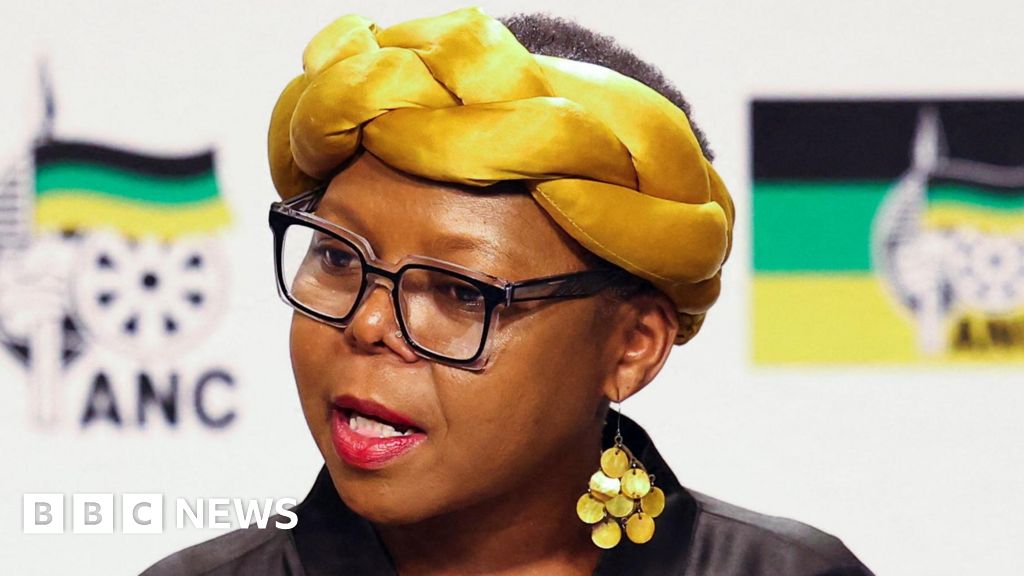
The African National Congress (ANC) in South Africa is considering forming a government of national unity after losing its majority for the first time since the end of apartheid in 1994. Under the country’s proportional representation system, any government would need to be formed by parties that collectively received over 50% of the vote. The ANC has had discussions with the Democratic Alliance (DA), the Economic Freedom Fighters (EFF), and other smaller parties, but has not received a positive response from the MK party. Forming a coalition with the DA would anger some ANC activists, while working with the radical MK or EFF parties would concern the business community. The ANC’s national executive committee will make the final decision on the way forward.
The idea of a national unity government has gained traction within the ANC as a potential solution to the deep divisions and political tensions that have plagued South Africa in recent years. The party believes that such a government, comprising representatives from various political parties, could help bridge the gaps between different factions and foster a more collaborative approach to governance.
The ANC’s consideration of a national unity government is seen as a response to the growing dissatisfaction with the current state of affairs in South Africa. The country has been grappling with issues such as high unemployment rates, economic inequality, and corruption scandals, which have eroded public trust in the government and the ruling party.
By forming a national unity government, the ANC aims to bring together diverse perspectives and expertise to tackle these pressing challenges. The party believes that by including representatives from other political parties, it can tap into a wider range of ideas and solutions, ultimately leading to more effective governance and better outcomes for the country.
However, the proposal for a national unity government has not been without its critics. Some argue that such a government could dilute the ANC’s power and undermine its ability to implement its policy agenda. Others question the feasibility of effectively managing a coalition government with potentially conflicting interests and ideologies.
Despite the concerns raised, the ANC remains committed to exploring the possibility of a national unity government. The party recognizes the need for a fresh approach to governance and acknowledges that collaboration and inclusivity are essential in addressing the complex challenges facing South Africa.
The ANC’s consideration of a national unity government reflects a broader trend in African politics, where countries such as Kenya and Zimbabwe have also experimented with power-sharing arrangements to promote stability and inclusivity. It remains to be seen whether this proposal will gain widespread support and ultimately materialize into a concrete plan for South Africa.
As the ANC continues its deliberations, the formation of a national unity government could potentially reshape the political landscape in South Africa and pave the way for a more inclusive and collaborative approach to governance.

