Local sources from Kenya: Capital FM Kenya, Yahoo News UK.
UK coverage: Sky News.
In a heroic act of bravery, Kenyan tour guide James Apolloh Omenya saved the lives of 14 tourists and 25 staff members after heavy rains caused devastating floods in the Maasai Mara national reserve. Omenya, who works in the reserve, woke everyone up and led them to a higher platform to keep them safe from the rising waters. The tourists were eventually rescued by the Kenya Red Cross, with some being flown to Nairobi while others continued their trip. This incident highlights the impact of the flooding on the park’s ecosystem and wildlife.
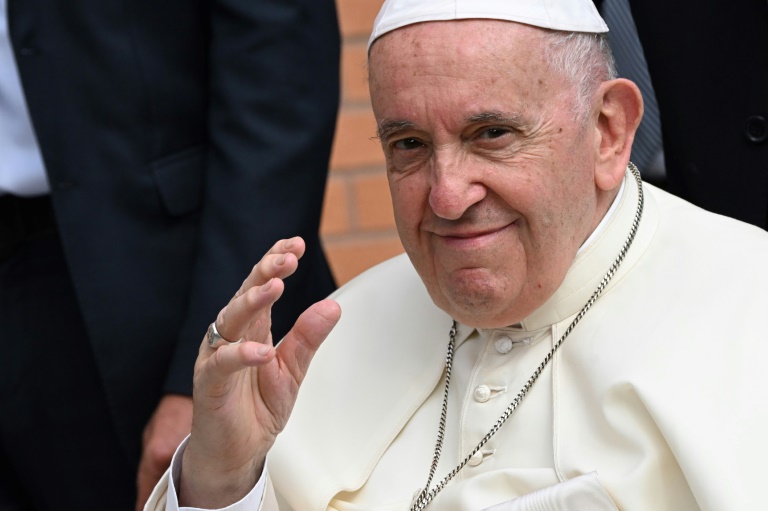
The flooding in Kenya has caused widespread destruction and claimed numerous lives. Pope Francis expressed his solidarity with Kenya and offered prayers for the country as it grapples with the devastating floods. Flash floods have resulted in over 130 fatalities since March, displacing more than 130,000 people. The recent tragedy in Mai Mahiu alone accounted for 70 deaths. The Kenya Meteorological Department warns of prolonged heavy rains throughout May, raising concerns of further devastation.
The heavy rainfall, attributed to the El Niño weather phenomenon, has caused rivers and sewers to overflow, leading to the destruction of homes and infrastructure. Nairobi, the Coastal region, Rift Valley, Central, and parts of Nyanza are among the worst-hit areas. In Nairobi’s slum areas like Mukuru and Mathare, houses have been washed away, leaving many residents homeless. Rescue efforts have been ongoing, with some residents trapped on their rooftops.
Neighboring countries like Tanzania, Burundi, and Uganda have also been affected, with significant displacements and casualties reported. The United Nations’ World Meteorological Organization identifies this El Niño as one of the five strongest on record, underscoring its global impact.
The scale of the floods has left many Kenyans homeless and searching for loved ones swept away by the raging waters. Julia Wanjiku, who lost her son Isaac in the floods, shared her heartbreaking story. The flooding in Mai Mahiu has claimed the lives of at least 52 people, including 18 children. The floods have had a devastating impact across Kenya, including Nairobi and parts of the Maasai Mara reserve. The intense rainfall, intensified by a mix of natural weather patterns and global warming, has caused flash floods, killed over 210 people, and displaced 165,500.
The Kenyan government has set up camps to provide shelter for the displaced and is distributing essential supplies. However, there is growing anger over the government’s response and a lack of information about the fate of those forced to flee. Human Rights Watch has criticized the government for failing to put in place a timely national response plan despite early warnings from the Kenya Meteorological Department. The unfolding devastation highlights the government’s obligation to prepare for and promptly respond to the impacts of climate change and natural disasters.
As the world warms, extreme rainfall events are expected to increase in frequency and intensity, making dramatic floods more likely. Kenya, already grappling with the effects of climate change, has swung from a devastating multi-year drought to deadly flooding. The vulnerability of communities like Mai Mahiu is evident, with people losing their homes and livelihoods. The government, while doing its best with the available resources, emphasizes the need for a global conversation on climate change and its responsibility. Western countries, responsible for a significant portion of planet-heating pollution, must address their role in exacerbating the climate crisis.
The situation in Kenya remains critical as rain continues to fall on already saturated land and swollen rivers. The country is also bracing for the impacts of its first cyclone, Hidaya, as it approaches the coast of neighboring Tanzania. Efforts to provide aid and support to those affected are ongoing, but the road to recovery will be long and challenging.
 TheLittleTwentieth - Renowned Papers Edition, AI Infused