Local sources from France: Sud Ouest, Le Monde.fr.
UK coverage: AOL.co.uk.
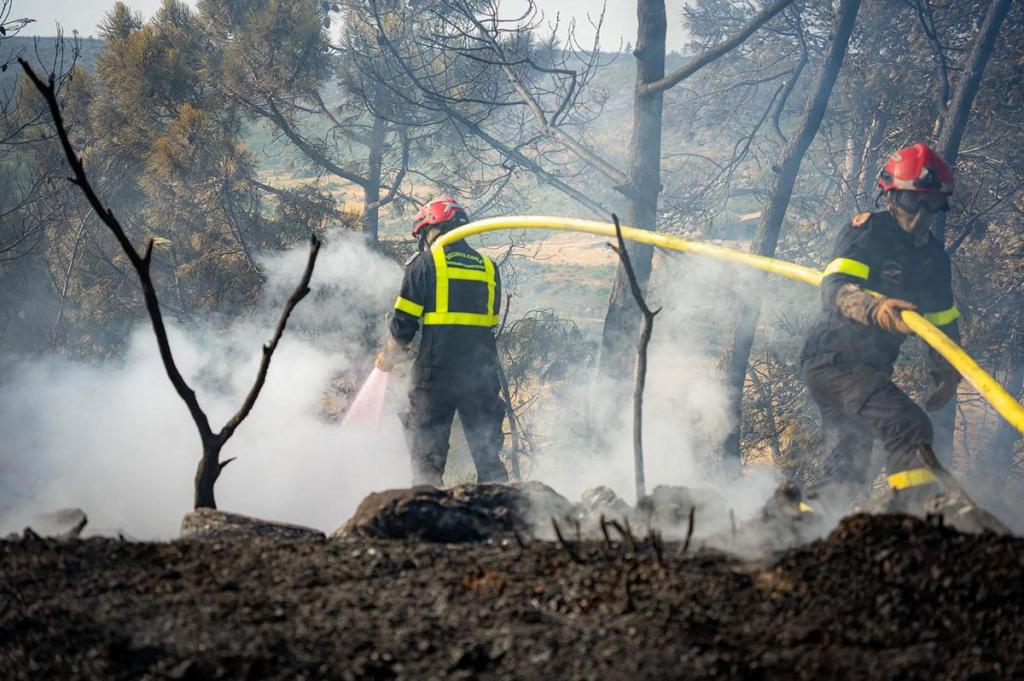
France is facing an unprecedented challenge as a massive wildfire has devastated over 16,000 hectares in the Aude region, marking the country’s largest fire since 1949. The blaze, which claimed one life and destroyed numerous homes, remains uncontrolled despite the relentless efforts of firefighters over the past three days. As the fire advances more slowly, local residents and tourists have been moved to safety, and the national government has extended its support to those impacted by the disaster. This catastrophic event underscores the vulnerability of the region’s economy, which thrives on winery and tourism, to climate change and environmental disasters. Concurrently, an investigation into the cause of the fire is actively underway, seeking insights into the origins of this calamity. The broader context of the situation reveals a grim reality; as of August 7, 2025, France has seen wildfires consume 36,883 hectares, a figure that is over three times the annual average of the past years and significantly higher than the records of 2023 and 2022. According to the European Forest Fire Information System (Effis), the extent of the damage in 2025 is 3.5 times the average annual burned area between January 1 and August 7 from 2006 to 2024, highlighting an alarming trend. A considerable portion of this year’s increase can be attributed to the Aude fire, which alone scorched 17,000 hectares in just over 48 hours. The French Ministry of Agriculture has identified malice as the primary cause for 31% of the wildfires in 2024, followed by accidental causes linked to individuals, accidents, and construction work. Fortunately, recent weather conditions have been more favorable, aiding firefighters in their battle against the flames. The ‘Visualize the Exceptional Level of Fires in France in 2025’ report by Le Monde.fr further emphasizes the severity of the Aude fire, describing it as the largest in the Mediterranean rim for at least fifty years. The fire’s rapid spread was facilitated by dry soil, intense heat, and sustained winds, with flames reaching over 15 meters high and making leaps of 200 to 500 meters. Classified as ‘fixed,’ the fire’s progression has been halted, but it remains a stark reminder of the increasing threat wildfires pose in France and across Europe. The early onset of forest fires from the beginning of July in areas like Tarragona, Spain, Marseille, Narbonne in France, and the Saxe region in Germany, signals a worrying trend exacerbated by climate change. This disaster serves as a dire warning about the heightened risk of wildfires in the Mediterranean due to hotter, drier summers. With a new heatwave expected to hit southern France, the urgency for effective measures to combat and prevent such devastating fires has never been more critical.
 TheLittleTwentieth - Renowned Papers Edition, AI Infused