Local sources from Ghana: Al Jazeera, News Ghana.
UK coverage: Sky News.
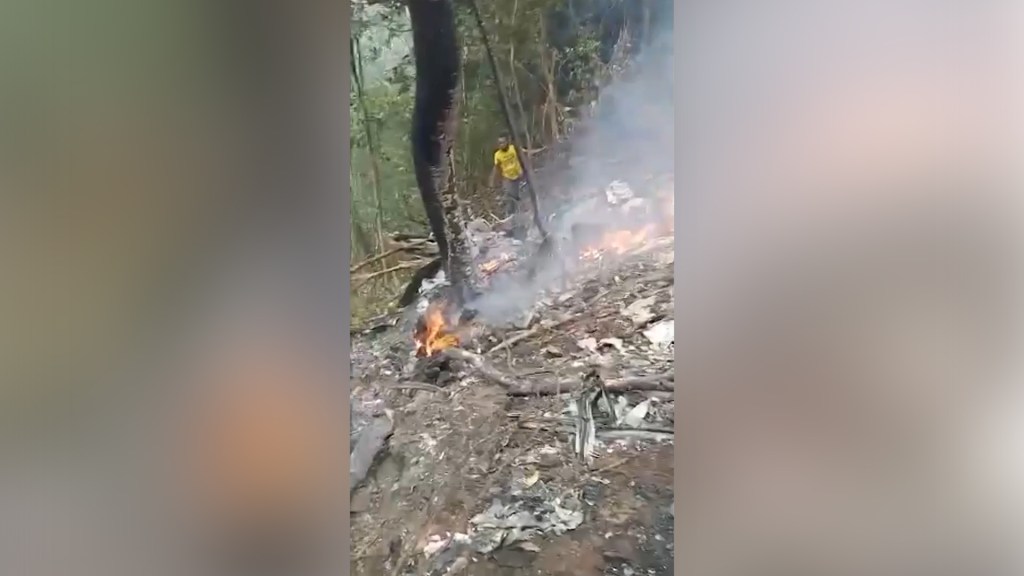
In a span of just a few days, two tragic helicopter crashes in Ghana and Kenya have cast a somber shadow over the safety of military aviation in Africa, leading to widespread concern and mourning. In Ghana, a devastating incident claimed the lives of the country’s defence and environment ministers, along with six others, marking one of the nation’s worst air disasters in recent memory. Meanwhile, in Kenya, a military helicopter crash during a training mission near Nairobi has spurred fears of casualties, with early reports indicating a scene of destruction and uncertainty about the fate of those on board. These incidents have not only led to grief but also prompted rigorous investigations into their causes. The crash in Ghana occurred in a forested area within the Ashanti region, as a Z-9 helicopter en route from Accra to Obuasi went off the radar. This accident resulted in the tragic loss of eight individuals, including key governmental figures and the aircraft’s crew. Images from the site depicted the burning remnants of the helicopter, as onlookers attempted to render aid amidst the chaos. This crash follows a history of aerial accidents in the nation, with a service helicopter disaster in May 2014 and a cargo plane crash in 2012 highlighting the ongoing risks associated with air travel and transport. Across the continent in Kenya, another aerial tragedy unfolded when a Kenya Defence Forces helicopter crashed in the Githurai’s Mwihoko area during a routine training exercise. The crash occurred in the afternoon, with witnesses reporting an explosion followed by thick smoke. Emergency response teams, including the Kenya Red Cross and military officers, were dispatched promptly to the scene, where they encountered the charred wreckage. Although initial reports have not confirmed the extent of the casualties, the incident has reignited concerns over the safety protocols and readiness of Kenya’s air force, especially in light of a fatal crash in Kajiado in 2021. As both nations grapple with the aftermath of these tragedies, the international community watches closely, hoping for improvements in military aviation safety standards to prevent future losses. Investigations are underway in Ghana and Kenya to determine the causes of these crashes, with the outcomes eagerly awaited by both the public and international observers alike.
 TheLittleTwentieth - Renowned Papers Edition, AI Infused