Local sources from France: Ouest-France, France 3 Régions.
UK coverage: France 24.
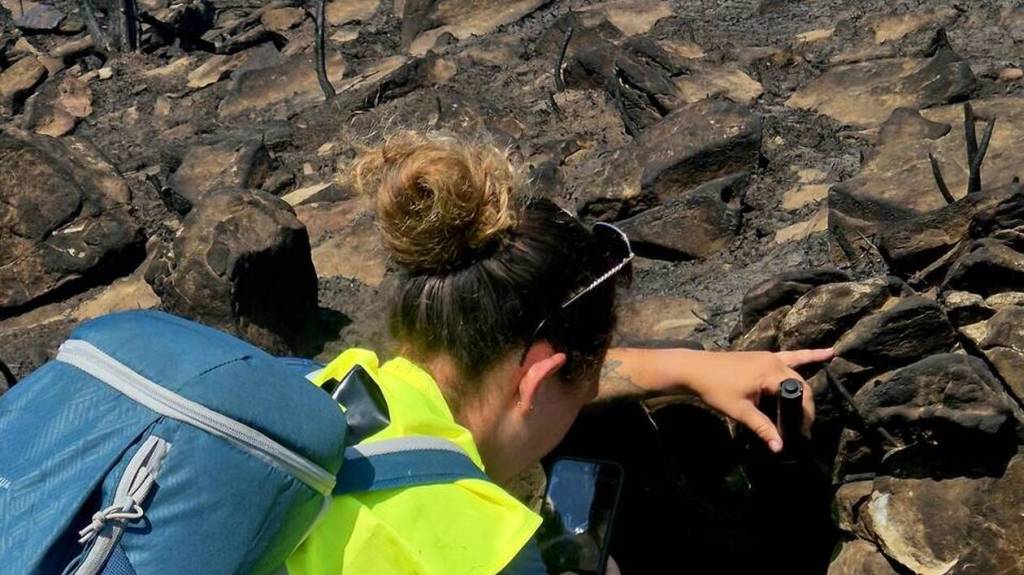
As France grapples with its largest wildfire since 1949, encompassing over 17,000 hectares in the Aude region, the challenges extend beyond controlling the rampant flames. The disaster has mobilized an impressive force of 2,500 firefighters, supplemented by substantial air support, yet the unpredictability of wildfire behavior remains a formidable adversary. Meteorological and environmental variations continue to complicate prediction efforts, with researchers striving to refine simulation models based on historical data to anticipate fire dynamics more accurately. The severe conditions, fueled by extreme weather phenomena such as heatwaves and prolonged droughts, underscore the pressing need for enhanced forest management and fire prediction methodologies in the face of escalating climate change impacts. These fires are not only a threat to human safety and property but also pose a dire risk to the region’s biodiversity. The Aude region, nearly 40% of which is designated as part of the Natura 2000 network, is witnessing a catastrophic loss of wildlife. With over 300 species of heritage interest and the country’s highest count of breeding birds, the blaze has left many unable to escape, including hatchlings and eggs. The situation is particularly grim for insects and reptiles, with species such as the Montpellier snake and various lizards facing significant threats. In response to this ecological crisis, volunteer groups and associations like Wany the Pooh are on the ground, employing meticulous methods to rescue as many animals as possible. Their efforts, in collaboration with local veterinarians, aim to provide care for both wild and domestic animals caught in the fire’s path. Moreover, the broader impact on wildlife has rallied volunteers from regions such as Occitanie and Corsica, who are providing emergency shelter, medical care, and rescue operations. The PPRAN association, established in the wake of fires in Martigues, is spearheading initiatives to offer accommodations and seeks official recognition for their animal welfare activities. These grassroots movements, driven by volunteers and supported by donations, highlight the overlooked plight of wildlife amid wildfire disasters. As France faces this dual challenge of combating unprecedented wildfires and mitigating their impact on biodiversity, the dedication of firefighters and volunteers alike showcases a resilient response to a crisis that tests the limits of human and ecological resilience.

