Local sources from New Zealand: BBC, The Guardian.
UK coverage: BBC.
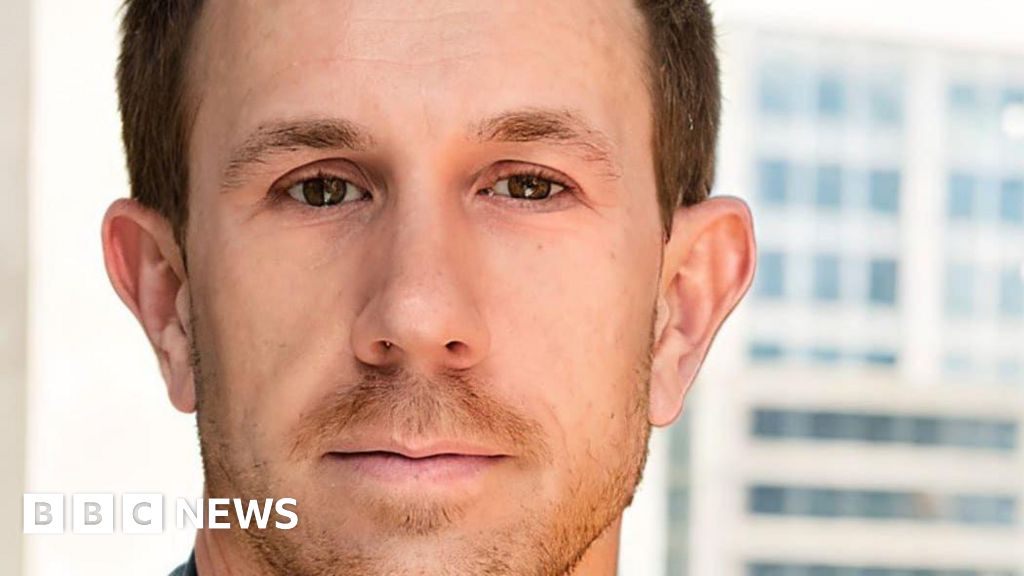
In a shocking development that has reverberated through New Zealand’s political landscape, a close aide to Prime Minister Christopher Luxon, Michael Forbes, has resigned amidst accusations of secretly filming and photographing women, igniting a nationwide conversation on privacy laws. Forbes, who served as a press secretary before moving to an acting deputy press secretary position, faced allegations that included clandestinely recording sexual encounters with women, including sex workers, and capturing images without consent in various public settings such as gyms, supermarkets, and from outside their residences. The revelations came to light following a complaint by a sex worker who discovered Forbes’ phone recording audio during a session, a situation that had previously been brought to the police’s attention but did not result in prosecution despite a complaint from a Wellington brothel last July about similar misconduct. PM Luxon, expressing shock and a strict no-tolerance stance towards such behavior, has voiced his sympathy for the victims and highlighted the need for a comprehensive review of the nation’s privacy laws and inter-agency processes to prevent future occurrences of such invasive actions. Forbes, on his part, admitted to personal struggles and trauma but faced criticism for inadequately apologizing to the affected individuals. The incident has sparked a wider debate among New Zealand’s political leaders and the public on the adequacy of current legal frameworks to protect individuals’ privacy rights, with PM Luxon mulling over the introduction of new legislation to address the gaps exposed by this scandal. This case not only underscores the personal crises that led to Forbes’ reprehensible actions but also serves as a wake-up call for a potential overhaul of privacy protections in New Zealand, ensuring that such violations of personal space and dignity are met with appropriate legal consequences.

