Local sources from Brazil: Terra, G1.
UK coverage: Al Jazeera English.
Massive floods in Brazil’s Rio Grande do Sul state have caused widespread devastation, leaving at least 75 people dead and over 100 others missing. The floods have also displaced more than 88,000 people and caused significant damage to infrastructure, including landslides, collapsed bridges, and washed-out roads. The state Governor has called for a ‘Marshall Plan’ to rebuild the affected areas, while President Luiz Inacio Lula da Silva visited the state to emphasize the need for proactive measures to prevent such disasters in the future. The heavy rains and floods are attributed to the climate phenomenon El Nino, exacerbated by human-caused climate change.
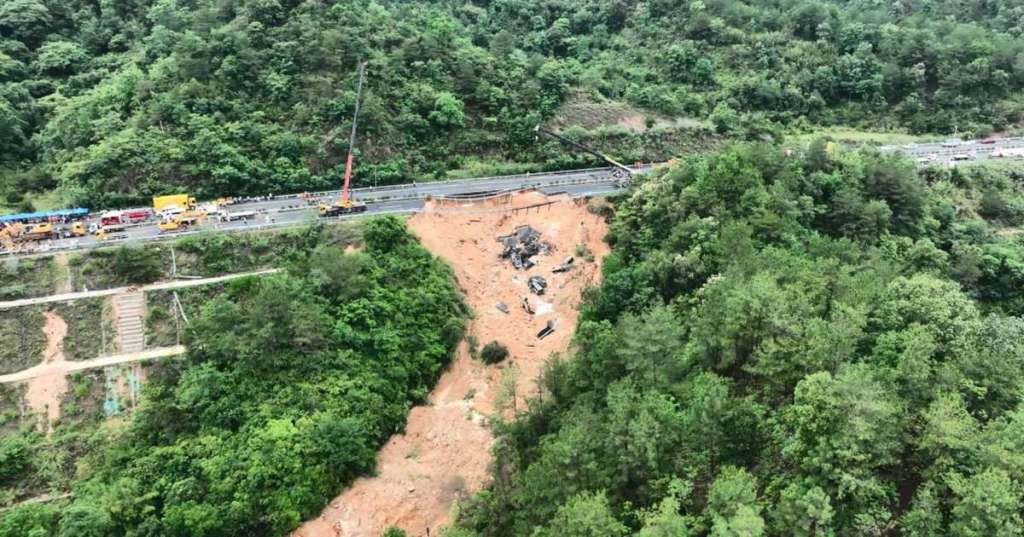
In another tragic incident, a road collapse in southern China’s Guangdong province has claimed the lives of 36 people. The collapse, caused by heavy rains, occurred early Wednesday morning, trapping around twenty vehicles and affecting a total of 54 people. The densely populated region, known for its industrial power, has been devastated by heavy storms that caused deadly floods and landslides. The incident highlights the vulnerability of infrastructure in the face of natural disasters.
Meanwhile, in Russia, gunshots and explosions at a concert hall near Moscow have resulted in the deaths of dozens of people. More than a hundred people have been injured in the attack, which occurred just five days after President Vladimir Putin’s electoral victory. The Islamic State has claimed responsibility for the attack, raising concerns about security in the region. This tragic event serves as a reminder of the ongoing threat posed by terrorism.
These three incidents, occurring in different parts of the world, highlight the fragility of human lives and the need for greater preparedness and resilience in the face of natural disasters and acts of violence. As the global community grapples with these challenges, it is crucial to prioritize measures that can mitigate the impact of such events and ensure the safety and well-being of people worldwide.
 TheLittleTwentieth - Renowned Papers Edition, AI Infused