Local sources from Brazil: Brasil Estadão, Mídia NINJA.
UK coverage: BBC.
At least 60 people have lost their lives in Brazil’s Rio Grande do Sul state as a result of landslides and flooding caused by extreme weather conditions. The storms have wreaked havoc on more than half of the state’s cities, leading to the destruction of roads and bridges. The situation has been further exacerbated by the collapse of a hydroelectric dam near Bento Gonçalves, claiming 30 lives, while another dam in the area remains at risk of collapsing. The regional capital, Porto Alegre, has been severely affected by flooding, with the Guaiba river overflowing and submerging several neighborhoods. The international airport in Porto Alegre has indefinitely suspended all flights.
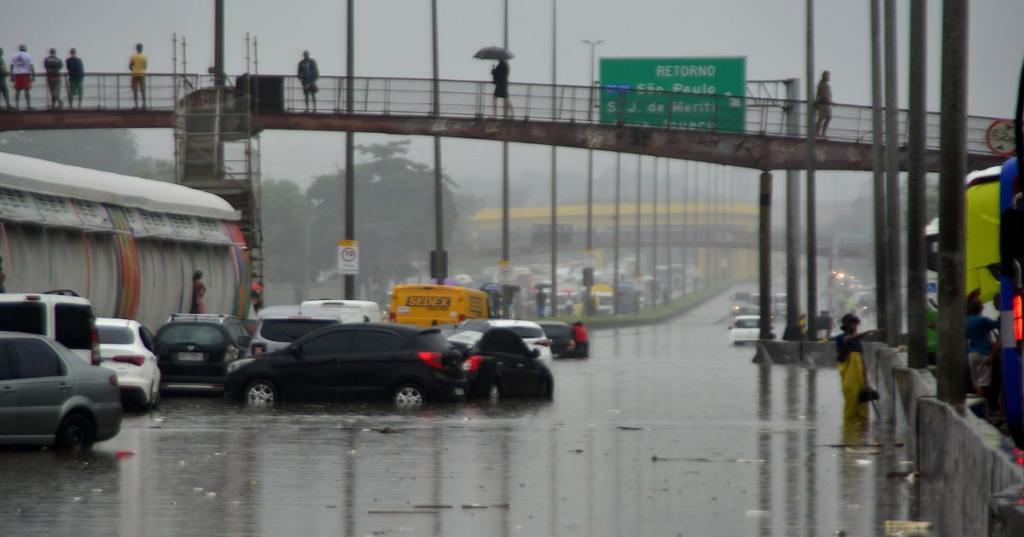
According to a report from Brasil Estadão, the heavy rains that struck Rio de Janeiro over the weekend resulted in 12 fatalities and widespread flooding. Neighborhoods in Baixada Fluminense and the northern zone of the capital, such as Pavuna, Ricardo de Albuquerque, Acari, and Irajá, were the hardest hit. In response to the situation, Mayor Eduardo Paes declared a state of emergency in the city, authorizing all municipal agencies to take necessary actions to mitigate the effects of the rains.
The article from Mídia NINJA highlights that Brazil is currently facing an unprecedented climate crisis, with a significant increase in the number of states declaring a state of emergency and public calamity. The Northeast and South regions have been particularly affected, with Rio Grande do Sul and Bahia leading the list of states experiencing extreme weather events. The rise in these occurrences is attributed to factors such as ocean humidity levels and rising soil temperatures, largely caused by deforestation.
The devastating impact of intense rains and prolonged droughts has been felt across the country, resulting in floods, landslides, and population displacements. Experts warn that these events disproportionately affect vulnerable communities. The Ministry of Integration and Regional Development is coordinating efforts to reduce disaster risks, focusing on preparedness, response, and recovery actions at all government levels.
The situation in Rio Grande do Sul serves as a grim reminder of the urgent need to address climate change and its consequences. As extreme weather events become more frequent and severe, it is crucial for governments, communities, and individuals to prioritize climate resilience and take proactive measures to protect lives and infrastructure. The international community must also come together to support countries facing climate-related challenges and work towards sustainable solutions.

