Local sources from United Arab Emirates: البيان, الشرق للأخبار.
UK coverage: Euronews.com.
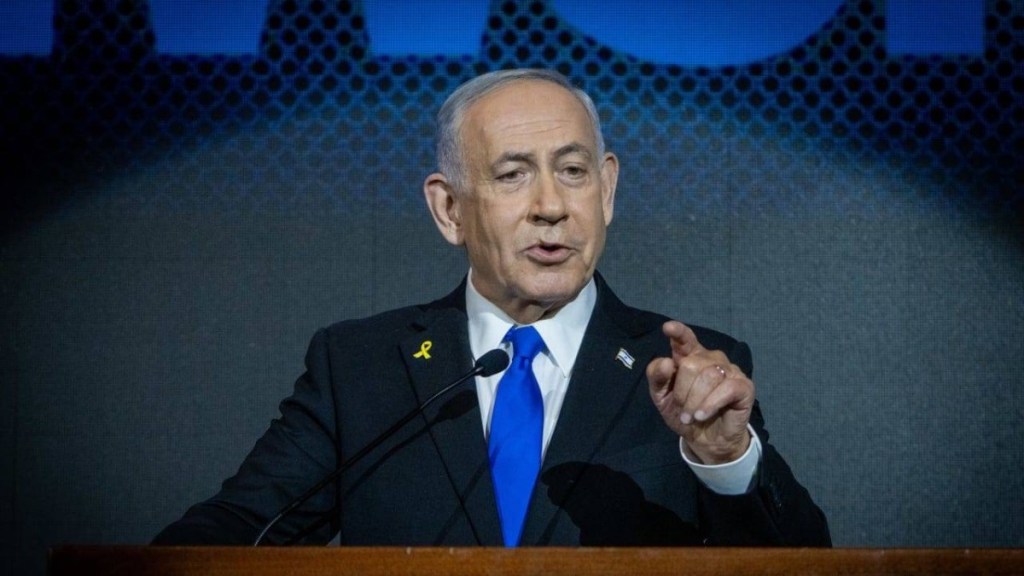
The United Arab Emirates has taken a firm stance against the Israeli government’s contemplation of annexing parts of the West Bank, a move that has stirred significant international concern and could potentially destabilize the historic Abraham Accords. Senior Emirati diplomat Anwar Gargash expressed that any steps towards annexation would be deemed unacceptable by the UAE and would significantly undermine efforts towards regional integration and peace. This development comes amid Israel’s ongoing military offensive in Gaza, which has led to a severe humanitarian crisis and drawn widespread criticism for the restrictive measures on food and basic necessities imposed by Israel. The situation underscores the fragility of regional relations and the risk of escalating tensions. In a notable reaction to the UAE’s warnings, Israeli Prime Minister Benjamin Netanyahu has reportedly withdrawn the agenda item concerning the West Bank’s annexation from the government’s meeting schedule. This move, as reported by the Jerusalem Post and highlighted in an article from البيان, signifies the weight of the UAE’s warning and its implications for Israel’s international relations and domestic politics. The scheduled government meeting will instead focus on the security situation in the West Bank, amidst concerns of potential unrest and economic deterioration in the area. Israeli officials are also set to discuss the reduction in levels of ‘terrorism,’ attributed in part to ongoing military operations and heightened security measures in the region. Israeli Finance Minister Bezalel Smotrich’s recent advocacy for the annexation of a significant portion of the West Bank underscores the contentious nature of the debate within Israel’s political landscape. Moreover, the UAE’s diplomatic outreach, as detailed in the article from الشرق للأخبار, includes a warning that annexation efforts would cross a ‘red line’ and pose a direct threat to the Abraham Accords—a series of agreements that marked a significant shift in the Middle East by normalizing relations between Israel and several Arab countries. Assistant Foreign Minister for Political Affairs, Lana Nusseibeh, emphasized the UAE’s support for the Palestinian people’s aspirations for an independent state and urged the Israeli government to reconsider its plans. The articles from both البيان and الشرق للأخبار underscore the complex geopolitical dynamics at play, highlighting the precarious balance between pursuing peace and implementing policies that could jeopardize the viability of a two-state solution and the broader framework of regional peace agreements. As the international community watches closely, the actions of Israel, the UAE, and other stakeholders in the region will be critical in determining the future trajectory of Middle Eastern diplomacy and the quest for lasting peace.
 TheLittleTwentieth - Renowned Papers Edition, AI Infused