Local sources from France: Touteleurope.eu, Ouest-France.
UK coverage: BBC.
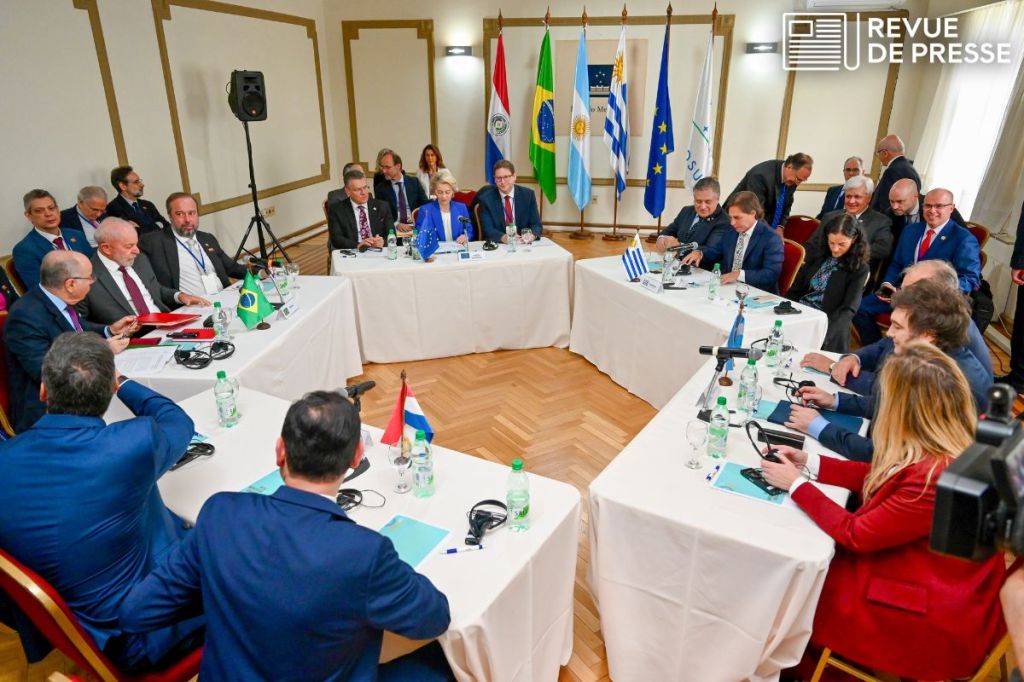
The European Union is on the brink of a groundbreaking decision as it prepares to vote on a major trade agreement with the South American Mercosur bloc, which includes Argentina, Brazil, Paraguay, and Uruguay. This pivotal deal, aimed at creating a free-trade zone for approximately 700 million people, is poised to redefine the EU’s global trade dynamics and decrease its economic reliance on superpowers such as the United States and China. Despite longstanding negotiations spanning over two decades, the deal has finally reached a critical juncture, with a vote scheduled for September 3, 2025, as announced by the European Commission. This move has sparked a complex debate, balancing economic ambitions with protective measures for EU farmers. The inclusion of robust safeguards for the agricultural sector reflects the EU’s response to concerns over the influx of cheaper South American imports, which have raised alarms among farmers across member states, particularly in countries like France and Poland. The proposed agreement promises to dismantle taxes on 91% of EU goods entering Mercosur countries, potentially bolstering EU exports in sectors such as automotive, chemicals, and various food products. However, the specter of adverse impacts on the European agricultural landscape has led to the proposition of a mechanism to suspend preferential access for certain Mercosur farm products. Furthermore, a €6.3 billion crisis fund has been earmarked to support affected EU farmers, showcasing the European Commission’s efforts to mitigate potential economic dislocations within its agrarian community. France’s resistance to the deal underscores the internal divisions within the EU regarding the balance between expanding trade horizons and safeguarding local industries and environmental standards. The French government, facing political turbulence, has been vocal in its demands for concessions to protect European farmers, highlighting the broader EU apprehension towards the deal’s implications for its agricultural sector. Amidst these economic and political dynamics, the trade agreement’s fate hangs in the balance, requiring approval from both the European Parliament and the member states. This decision will not only shape the EU’s external trade policies but also its internal economic cohesion and strategic positioning on the global stage. Proponents of the deal argue its significance in diversifying the EU’s trade partners, thereby reducing vulnerability to geopolitical tensions and unilateral tariffs imposed by other major economies. Conversely, critics, including environmental NGOs and certain EU countries, caution against potential environmental repercussions, notably increased deforestation, and the perceived inadequacy of enforceable environmental safeguards within the agreement. With the European Commission formally proposing the trade agreement for approval, the coming weeks are set to witness intense deliberations, as member states weigh the economic benefits against potential socio-environmental costs. As the EU stands at a crossroads, the outcome of this vote will undoubtedly have far-reaching implications for its economic trajectory, environmental commitments, and the very fabric of European agriculture.
 TheLittleTwentieth - Renowned Papers Edition, AI Infused