Local sources from Indonesia: erakini.id, Kompas.com.
UK coverage: The Guardian.
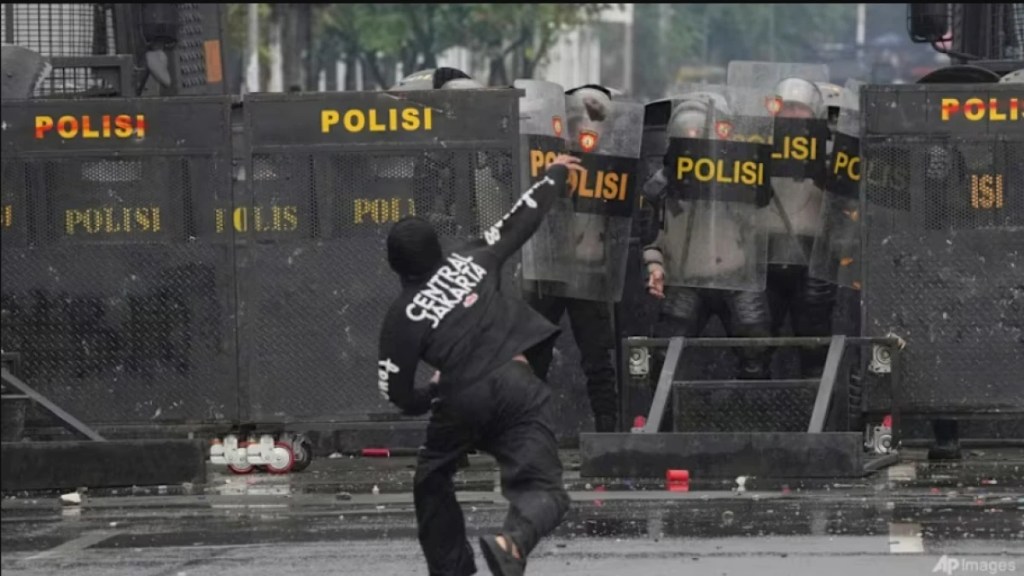
A wave of violent protests has swept across Indonesia, triggered by public dissatisfaction with lawmakers’ privileges, leading to a critical situation marked by at least six deaths and 20 people reported missing. The unrest, which ignited on August 25, 2025, was catalyzed by the death of a young motorcycle taxi driver, Affan Kurniawan, who was tragically hit by a police vehicle during the demonstrations. This incident has not only sparked outrage but also intensified the protests that originally stemmed from issues such as parliamentary allowances and housing benefits. In response to the escalating violence, President Prabowo Subianto has ordered military and police forces to take firm action against the riots and looting that have marred the protests. Furthermore, in a move to quell the unrest, President Subianto has agreed to cut some of the contested lawmakers’ perks, including a controversial housing allowance that has been a focal point of public anger. The international community, including the United Nations and foreign media, has cast a spotlight on Indonesia, calling for an investigation into the disappearance of 20 individuals and the alleged use of disproportionate force by security forces against protesters. Reports from the Commission for Missing Persons and Victims of Violence (KontraS) and coverage by international news outlets such as France’s AFP and Britain’s The Guardian have emphasized the scale of the protests and the subsequent crackdown by authorities. Despite some concessions from the government, large-scale protests and clashes with security forces continue across several Indonesian cities, with authorities stepping up security measures in an attempt to restore order. The current unrest represents the largest demonstrations since President Prabowo Subianto took office, underscoring the deep-seated frustrations among the Indonesian public over issues of governance and accountability. With more than 1,200 arrests in Jakarta alone and the deployment of military forces in various cities, the situation remains tense as the nation grapples with this significant challenge to its social and political fabric.
 TheLittleTwentieth - Renowned Papers Edition, AI Infused