Local sources from France: Ouest-France, Le Figaro Santé.
UK coverage: Daily Mail.
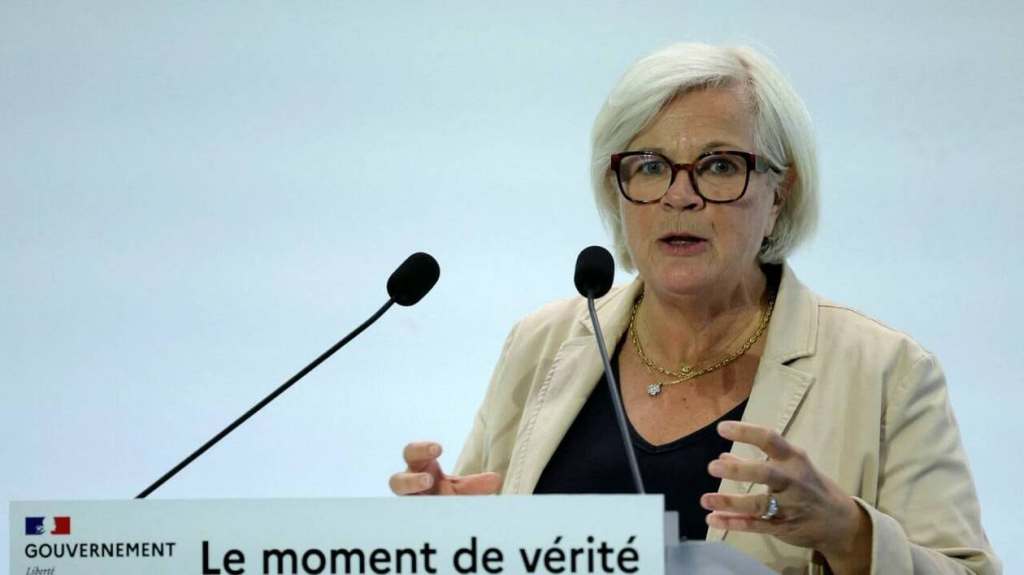
Amid escalating geopolitical tensions and the specter of a major European war, French hospitals have been directed by the Ministry of Health to gear up for a scenario that could see the continent embroiled in widespread conflict by March 2026. This preparation is underscored by the anticipation of a potential major engagement that could result in a significant number of military casualties, including those from other European nations. The backdrop of these preparations is a heightened state of alert in Germany in response to the forthcoming Russian military exercises, Zapad 2025, and concerns voiced by NATO chief Mark Rutte over a possible World War precipitated by coordinated moves from Russia and China, including scenarios of attacks on Taiwan and NATO territories. Rutte’s call for increased defense spending and bolstered cooperation within NATO and the Indo-Pacific region aims to deter such aggressive postures. These developments come at a time when Russia’s rapid augmentation of its military capabilities has sounded alarms over global security and stability. In France, the Ministry of Health’s directive to regional health agencies outlines the establishment of medical transit centers designed to efficiently channel wounded soldiers to civilian hospitals, ensuring their rapid treatment and repatriation when necessary. This initiative is part of France’s broader strategy to bolster its readiness against conflicts, including measures for stockpiling and epidemic preparedness, as articulated by Minister of Labor and Health, Catherine Vautrin. The strategic foresight integrates into the Orsan plans, which lay out comprehensive responses to exceptional health situations in each region, reflecting the 2025 national strategic review’s focus on preparing for high-intensity conflicts potentially at Europe’s borders. The review explicitly addresses the mobilization of the nation against threats, particularly from Russia, and calls for a strengthened military health service and the modernization of its capabilities by 2026. It also advocates for the broad sensitization of healthcare professionals to the constraints of war-time conditions, including resource scarcity and increased needs. The French Health Ministry, along with the Directorate General for Health and the Central Directorate of the Military Health Service, aims to ensure the health system’s resilience against various risks, including terrorist and environmental threats, through the ORSAN system for exceptional health situations. This initiative includes regular exercises for efficient victim flow management and major evacuation drills, reflecting France’s long-term international collaborations with NATO and the European Union. These measures, stemming from a comprehensive review and proactive planning, highlight France’s commitment to safeguarding not only its territorial integrity and civilian population but also its role in ensuring the broader security of the European continent.
 TheLittleTwentieth - Renowned Papers Edition, AI Infused