Local sources from Pakistan: Al Jazeera, The Express Tribune.
UK coverage: The Guardian.
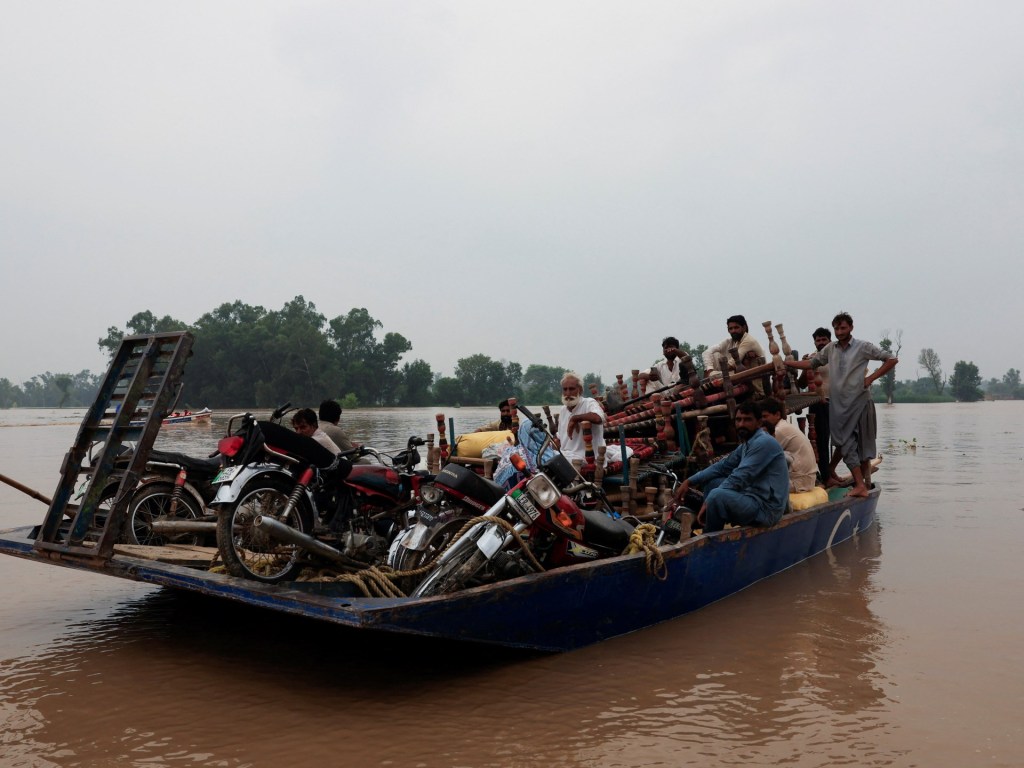
Pakistan’s Punjab province is currently grappling with the most severe floods in its history, a calamity that has impacted over two million residents, displaced thousands, and ravaged the landscape, marking a grim testament to the escalating ferocity of climate change. The floods, caused by abnormally heavy monsoon rains and exacerbated by the release of water from India’s dams, have submerged vast areas, destroying homes, farmland, and infrastructure, and pushing the region into a state of emergency.
The scale of the disaster, with over 1,400 villages affected and close to 300,000 people evacuated, has laid bare the vulnerability of Pakistan, a nation that contributes minimally to global greenhouse gas emissions, to the adverse effects of climate change. The situation is worsened by longstanding inadequacies in disaster preparedness and response mechanisms, leaving victims to rely heavily on voluntary aid for survival. The floods have underscored the urgent need for comprehensive climate resilience and mitigation strategies to safeguard against future calamities.
In Punjab, the agricultural heartland of Pakistan, the floods have not only resulted in immediate loss of life and property but have also raised concerns over food security, with significant portions of the crop land underwater. Local authorities, in response, have transformed educational and security facilities into makeshift shelters for those displaced. Meanwhile, the Provincial Disaster Management Authority has sounded alarms over ‘extremely high flood conditions’ following India’s release of water from the Salal Dam into the River Chenab, a move that has intensified the flooding and heightened tensions between the two nations.
With more heavy rainfall predicted, environmental experts and community leaders are calling attention to the compounded effects of erratic weather patterns, poor infrastructure, and inadequate urban planning. Specifically, cities like Sialkot are facing critical challenges due to inefficient waste management and drainage systems, despite private sector efforts to ameliorate these issues. The disaster has spurred community-led relief efforts, highlighting the gap in government support and underscoring the collective responsibility to fortify defenses against nature’s fury.
As the floodwaters recede, the true extent of the devastation will become clearer, but the immediate focus remains on rescue, relief, and recovery efforts. With a long road to rehabilitation ahead, the floods of 2023 will undoubtedly serve as a somber reminder of the escalating human and economic costs of climate change, and the imperative for concerted action to build a more resilient future.
 TheLittleTwentieth - Renowned Papers Edition, AI Infused