Local sources from Australia: BBC, CNN.
UK coverage: BBC.
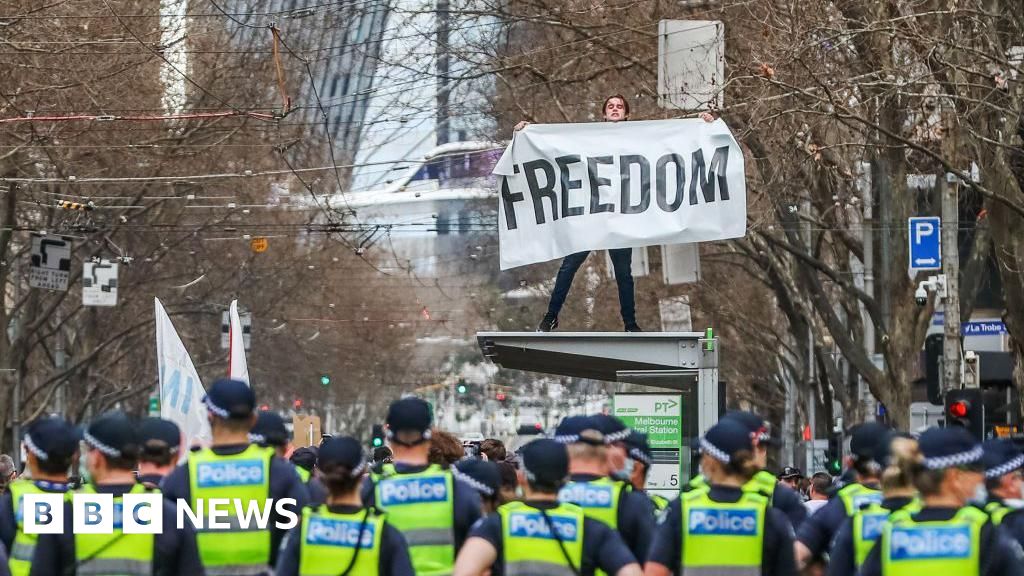
The tranquil town of Porepunkah in Australia has been thrown into turmoil following a harrowing incident that has sparked widespread concern and debate across the nation. Dezi Freeman, identified as a ‘sovereign citizen’, is at the center of an intense manhunt after he allegedly murdered two police officers, plunging the small community into a state of shock and mourning. This tragic episode not only highlights the personal cost of such extremist beliefs but also underscores the growing challenge Australia faces in countering the spread of anti-government conspiracy theories and pseudo-law movements. The incident occurred when Freeman, heavily armed and harboring a history of anti-authority sentiment, managed to evade capture by fleeing into the bush, leaving behind a community grappling with fear and uncertainty. This act of violence has not only reignited memories of a similar tragedy in Queensland three years prior but has also forced a national reflection on the effectiveness of the country’s approach to individuals who reject the legitimacy of governmental and legal authority. The ‘sovereign citizen’ movement, though originating in the United States, has found fertile ground in Australia, particularly during the era of stringent COVID-19 lockdowns. Its adherents claim a pseudo-legal independence from government jurisdiction, posing a distinct challenge to public safety and the rule of law. As the Australian Security Intelligence Organisation (ASIO) notes, there has been a marked increase in the extremism linked to this movement, fueled by conspiracy theories and a broad range of socio-economic pressures. The events in Porepunkah serve as a somber reminder of the potential for violence within this ideology and the urgent need for strategies to address its spread. Experts point to the pandemic restrictions and the ensuing socio-economic strains as catalysts for the movement’s growth in Australia, with an increasing number of citizens finding resonance in the ‘sovereign citizen’ narrative. As the manhunt for Freeman continues, authorities are reminded of the broader challenge at hand — confronting and curbing the influence of a movement that fundamentally challenges the fabric of legal and governmental authority. This incident has not only caused a ripple of fear through a small community but has also reignited a national conversation on how to effectively address the ideologies that fuel such tragic outcomes.
 TheLittleTwentieth - Renowned Papers Edition, AI Infused