Local sources from United States: Nature, The Guardian.
UK coverage: The Guardian.
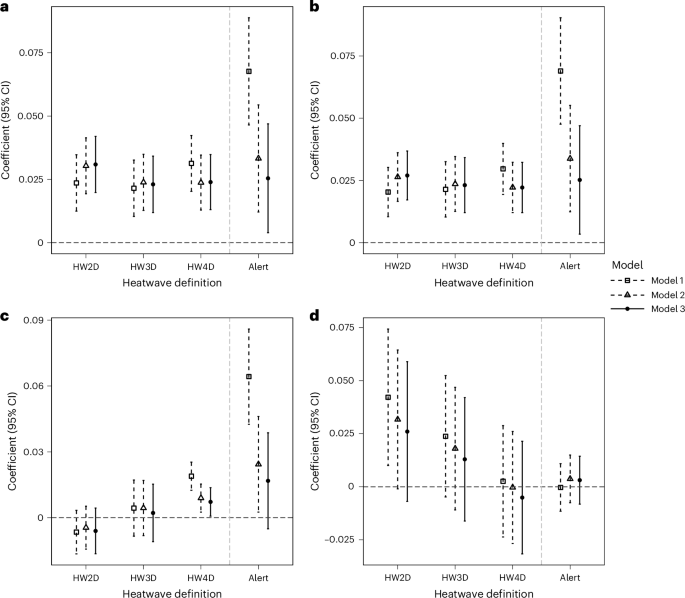
Recent studies have highlighted a concerning trend linking repeated exposure to heatwaves with accelerated aging, effects that bear a striking resemblance to the health impacts of smoking or maintaining a poor diet. This phenomenon, extensively covered in recent articles from Nature and The Guardian, points to a broader implication of climate change-induced temperature increases on global health. A study tracking 25,000 individuals in Taiwan over a 15-year span has illuminated the significant and potentially long-lasting health impacts of these temperature spikes, especially among manual workers and younger populations. The research, which sought to measure biological age through medical tests, suggests that our bodies may age more rapidly as a result of increased exposure to heatwaves, a situation that could heighten the risk of various age-related diseases. According to the study published in Nature Climate Change, such exposure particularly in the early stages of life, could also adversely affect children’s brain development, underscoring the urgency of addressing this global health challenge. The articles delve into various studies conducted between 2006 and 2024, examining the multifaceted impacts of heatwaves on human health. These range from the direct effects on aging and the increased burden of disease among aging populations to the environmental factors contributing to frailty in older age. Both pieces underscore the significance of biological markers in determining biological age and the risks of cardiometabolic diseases linked to accelerated aging. Moreover, they highlight the cognitive and mortality risks heatwaves pose to older adults while also touching on the protective role of adaptation strategies alongside genetic and cellular responses to heat stress. Researchers, including experts from the Department of Urban Planning and Design at the University of Hong Kong, call for a deeper understanding of these phenomena. They emphasize the importance of mitigating the effects of heatwaves on aging to improve health outcomes for the elderly across the globe. As the planet grapples with the increasing frequency and severity of heatwaves due to climate change, these findings alarmingly suggest that the long-term health consequences could be far-reaching, exacerbating the challenges already faced by global health systems. The need for further research into the long-term effects of heat exposure and the development of effective adaptation and mitigation strategies has never been more critical.
 TheLittleTwentieth - Renowned Papers Edition, AI Infused