Local sources from United States: NBC News, NPR.
UK coverage: BBC.
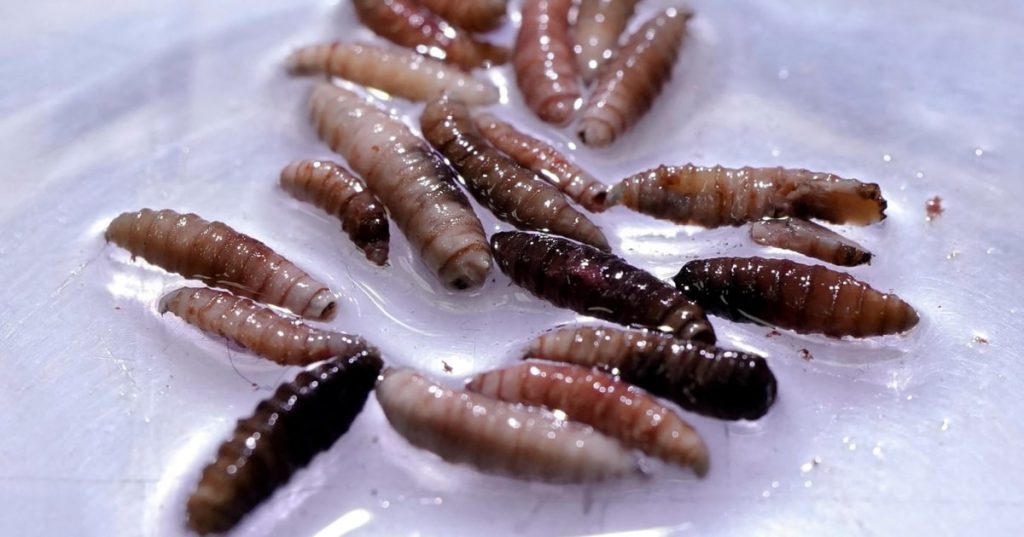
The United States has reported its first human case of the New World Screwworm (NWS), a rare but serious parasitic infestation, in a patient who recently returned from El Salvador. This marks a significant health event, given the history and potential impact of this parasite. The Department of Health and Human Services, alongside the Centers for Disease Control and Prevention (CDC) and the Maryland Department of Health, confirmed the case, emphasizing that the risk to the general public remains very low. The patient, whose condition was closely monitored, has fully recovered, alleviating immediate concerns of further spread within the United States. This incident underlines the ongoing outbreaks of NWS in Central America and Mexico, which have primarily impacted livestock but now show the potential to affect humans, especially those in close contact with affected animals or those who have open wounds. The economic implications of an outbreak are not to be underestimated, with the U.S. Department of Agriculture (USDA) highlighting the substantial threat to the livestock industry, potentially affecting over $100 billion in economic activity. In response to the detected case and the broader outbreak, the USDA has been proactive, initiating measures to combat the spread of NWS. These include the development of a sterile insect technique, which had previously eradicated the screwworm in the United States during the mid-20th century, and the construction of a facility in Texas for producing sterile flies. The Texas region, in particular, is on high alert due to its significant livestock industry and the potential economic losses an infestation could bring. Health officials and agricultural experts are closely monitoring the situation, ensuring the readiness of both public health and economic defense strategies against the New World Screwworm. The case serves as a reminder of the importance of vigilance and preparedness in the face of zoonotic diseases and the interconnectedness of human and animal health.
 TheLittleTwentieth - Renowned Papers Edition, AI Infused