Local sources from Spain: El Mundo, Levante-EMV.
UK coverage: Majorca Daily Bulletin.
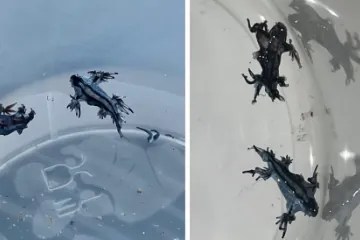
A series of unusual and concerning sightings have prompted the temporary closure of several beaches along the Costa Blanca, near Torrevieja and in Guardamar del Segura, Alicante, following the discovery of the venomous sea slug known as the Blue Dragon, or Glaucus atlanticus. This rare mollusc, which is seldom seen in Mediterranean waters, has caused alarm due to its powerful sting, which can cause intense pain, swelling, and in severe cases, more serious reactions. The recent sightings represent an extraordinary event for the region, attributed to the shifting marine biodiversity due to climate change and the ‘tropicalisation’ of the Mediterranean Sea. The Blue Dragon feeds on dangerous sea creatures like the Portuguese man-of-war, storing their toxins for its own use, which makes it a risk to humans despite its small size. Beaches in Guardamar del Segura were the first to raise the red flag for swimming after two specimens were detected, leading to a temporary ban on swimming, with local authorities advising against touching these creatures, even with gloves, and recommending that any sightings be immediately reported to lifeguards or authorities. The Guardamar council has taken preventive measures to monitor for more potential specimens. In addition, five more live specimens discovered along the coast prompted extended closures, affecting an eleven-kilometer stretch from the border of Torrevieja to Elche. The mayor of Guardamar emphasized the precautionary nature of these closures, given the potential danger of the Blue Dragon’s sting, particularly for young children or individuals with underlying health conditions. Local lifesaving teams, police, and municipal cleaning services remain on high alert, using loudspeakers to warn beachgoers and prevent swimming. Meanwhile, a dead specimen found at La Mata beach in Torrevieja has not yet prompted similar preventive measures. These developments have sparked a debate about the real danger posed by the Blue Dragon compared to the usual venomous jellyfish found in the region, highlighting the need for caution and further research into the effects of climate change on marine life in the Mediterranean.
 TheLittleTwentieth - Renowned Papers Edition, AI Infused