Local sources from Spain: Levante-EMV, El Mundo.
UK coverage: The Independent.
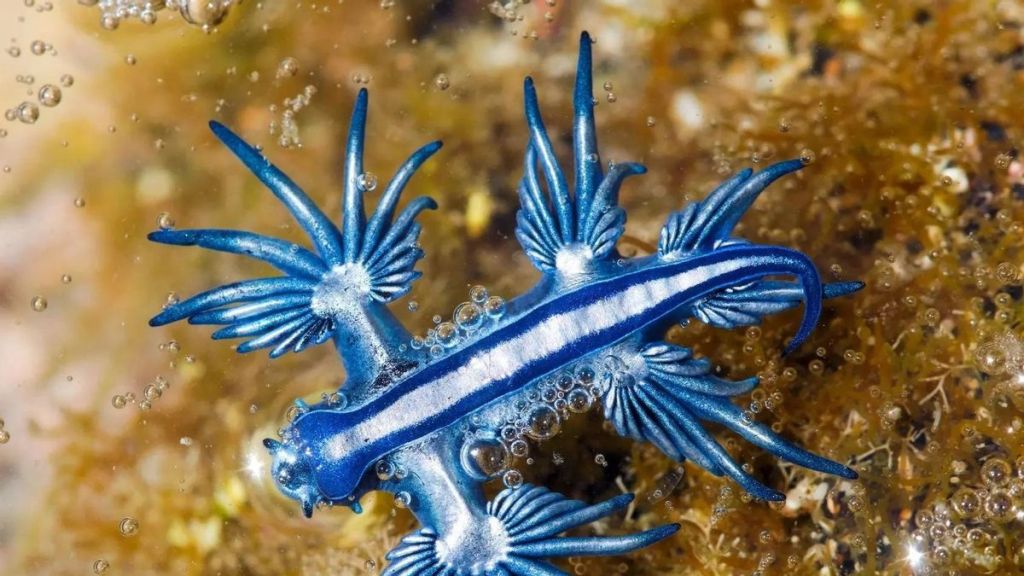
Beachgoers in Alicante have been greeted with red flags and closure signs, following the discovery of venomous sea creatures along the coast of Guardamar del Segura. The culprits behind the closures are small, yet dangerous mollusks known as blue dragons (Glaucus atlanticus), which have been found in unusually high numbers this season. The local authorities in Guardamar, a popular tourist destination, have taken the extraordinary step of banning swimming across an eleven-kilometer stretch of coastline, from Torrevieja to Elche, to ensure public safety. The decision came after five live specimens were spotted, prompting concerns over the potential risk to bathers, especially small children and those with vulnerabilities. The Guardamar Town Hall had already initiated a temporary ban on swimming when two of these creatures were discovered earlier in the week. Despite the beach closures, the areas remain open for other recreational activities, with officials keen to stress that the precautions are strictly for swimmer safety. Mayor José Luis Sáez has emphasized the importance of these measures, pointing out that the presence of the blue dragons poses a genuine health risk, particularly since their venom can be potent if they have fed on stinging jellyfish like the Portuguese man o’ war. The blue dragons, measuring about 4 centimeters in length, are not typically found in Mediterranean waters. Their appearance on the Spanish coast is attributed to unusual sea currents, which may have brought them closer to shore from their normal tropical and warm water habitats. The local council has issued warnings to the public not to touch these creatures, even with protective gloves, and to immediately report any sightings to the lifeguards or relevant authorities. Despite the allure of their striking appearance, the blue dragons carry a sting that can cause nausea, pain, and vomiting. Beaches will remain under red flag status, with local authorities conducting regular patrols to monitor for additional specimens. The situation has sparked a debate about the real danger these creatures pose, with some experts suggesting the threat may not be as significant as feared. However, the incidents have certainly cast a shadow over the summer season for both locals and visitors, with safety as the paramount concern.
 TheLittleTwentieth - Renowned Papers Edition, AI Infused