Local sources from Colombia: BBC, EL PAÍS.
UK coverage: BBC.
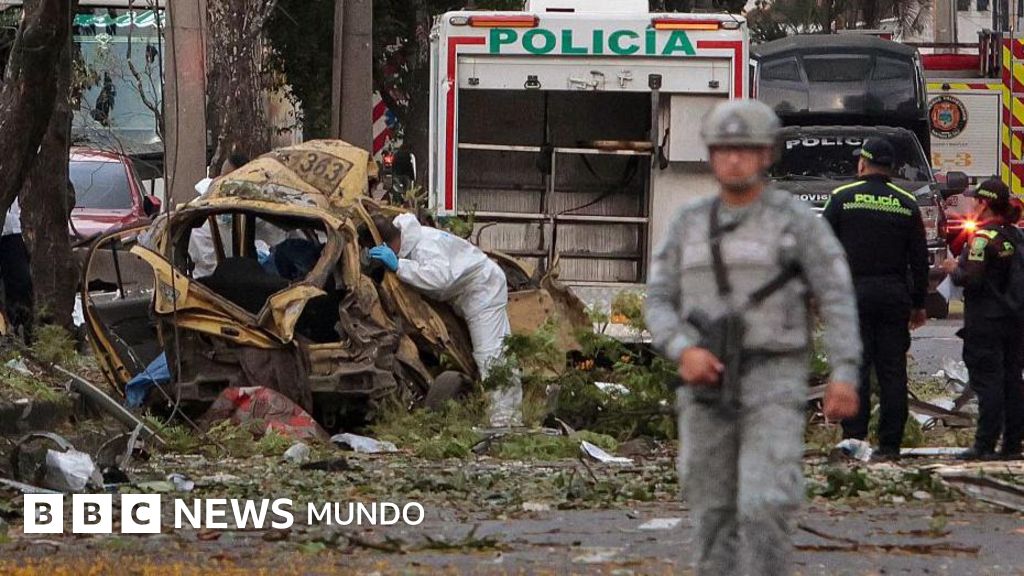
A devastating sequence of violent attacks, including a car bomb and a drone strike, has plunged Colombia into mourning, leaving at least 18 dead and scores injured. The city of Cali, in particular, witnessed an explosive attack on the Marco Fidel Suárez Military Aviation School, which, according to reports from BBC News Mundo and EL PAÍS, has been attributed to FARC dissidents. This tragic event was compounded by the downing of a police helicopter in Antioquia, an assault carried out with a drone, marking a significant escalation in the tactics employed by illegal armed groups within the country.
In response to the carnage, Cali’s Mayor Alejandro Eder has declared martial law in the city, imposing a ban on large trucks to enhance security and offering a $10,000 reward for information leading to the arrest of those behind the attacks. The Colombian government, under President Gustavo Petro, faces mounting criticism as it grapples with the challenge of negotiating peace amidst such violence. The ‘total peace’ policy, aimed at engaging with and pacifying armed factions, is now under intense scrutiny as the country navigates a period of increased political polarization and violence.
Defence Minister Pedro Sánchez, labeling the car bombing a ‘terrorist attack,’ attributed it directly to the Farc guerrilla leader known as Ivan Mordisco, suggesting it was a direct retaliation against drug trafficking control measures. This incident underscores the rising violence and the innovative, yet deadly, use of drones by guerrilla groups, posing new challenges for Colombia’s security forces.
The international community’s attention is drawn once again to Colombia’s enduring conflict, underscored by President Petro’s call for global recognition of the narcotrafficking council as a terrorist organization. This plea comes in the wake of attacks that have not only claimed lives but also damaged infrastructure, residences, and businesses, instilling fear and uncertainty among the populace.
As the investigations proceed, with a 23-year-old suspect already in custody, Colombia is at a critical juncture. The nation seeks to balance the imperative of peace with the harsh realities of ongoing violence, an endeavor that requires both internal resilience and international support to navigate the complex dynamics of modern guerrilla warfare and narcoterrorism.
 TheLittleTwentieth - Renowned Papers Edition, AI Infused