Local sources from Pakistan: Al Jazeera, BBC.
UK coverage: BBC.
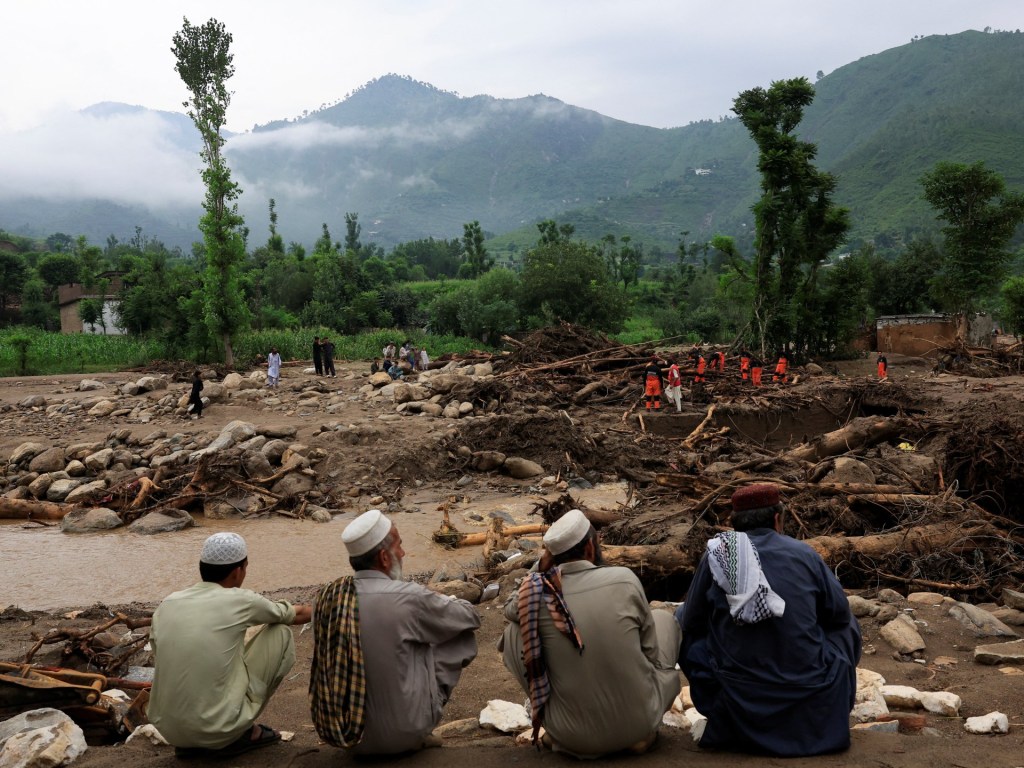
Pakistan is currently facing a devastating flood crisis, with more than 200 individuals reported missing in the Shangla district alone, as torrential rains and landslides wreak havoc across the nation. The calamity, which has partially submerged 10 to 12 villages within the district, is part of a broader pattern of extreme weather events that have claimed at least 650 lives countrywide. This year’s monsoon season has been particularly harsh, delivering 73% more rainfall than the previous year in the Punjab region, and impacting almost half of the country’s population. Scientists link these worsening conditions to climate change, highlighting the accelerated thinning of glaciers in northern Pakistan as a significant contributing factor to the increased frequency and severity of landslides and floods. The forecast of continued heavy rainfall threatens to exacerbate the already dire situation in areas declared as disaster zones. The National Disaster Management Authority is spearheading rescue efforts, especially concentrated in the Chositi village of the Kishtwar district, where significant casualties have been reported. Despite the efforts, the government faces criticism for the perceived inadequacy of its emergency response and the lack of early warnings in the affected areas. Officials, however, defend their strategies, citing the challenges posed by unpredictable weather patterns. The United Nations Secretary-General has expressed his sorrow over the loss of lives, emphasizing the global implications of such localized extreme weather events. Pakistan, contributing less than 1% to global emissions, finds itself disproportionately affected by climate change-induced catastrophes. The situation is compounded by infrastructure damage in areas like the Buner district, where rescue teams have had to bury eight unidentified bodies due to the absence of family members to claim them. The widespread devastation has made it difficult for some families to locate and claim the bodies of their relatives, further highlighting the human toll of this ongoing disaster. With the north-west region of Pakistan expected to receive heavy rainfall until August 21, and several areas already declared disaster zones, the country braces for a challenging recovery process from one of the worst monsoon seasons in recent memory.
 TheLittleTwentieth - Renowned Papers Edition, AI Infused