Local sources from Spain: El Mundo, RTVE.es.
UK coverage: The Guardian.
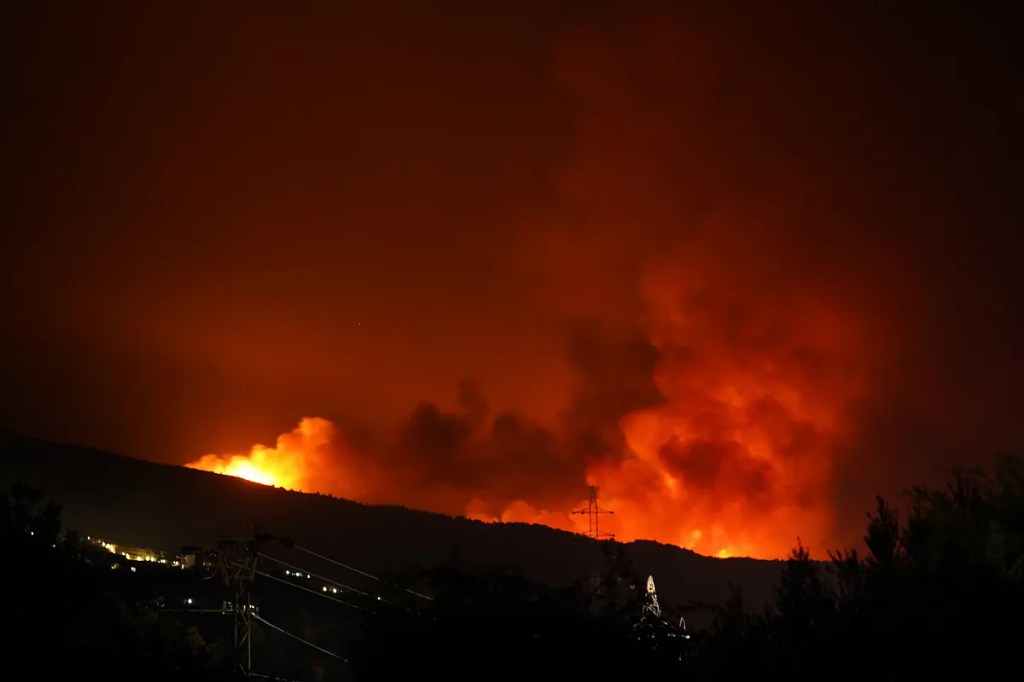
Spain is currently facing an unparalleled challenge as wildfires rage across various regions, marking a severe episode in the nation’s struggle against the impacts of climate change. The situation has prompted a nationwide reflection on the urgent need for enhanced preventive measures and innovative approaches to land use and management. The Spanish environment minister has underscored the heightened vulnerability of the country to climate-induced calamities, advocating for a strategic shift towards sustainable practices and community involvement in mitigating such risks. Experts point to rural depopulation and neglected land management as significant factors exacerbating the wildfire risk, suggesting a fundamental transformation in the relationship between humans and their environment. The ‘Fire Flocks’ initiative, employing sheep and goats to graze in high-risk areas, exemplifies the kind of preventive strategies being considered to manage the landscape and reduce undergrowth that fuels fires. This approach highlights the critical importance of adapting to climate realities through sustainable and integrated community efforts. According to a report from El Mundo, Spain has been grappling with its eighth consecutive day of wildfires, exacerbated by extreme temperatures, low humidity, and winds across the northwest. Currently, nineteen active fires require state intervention, with significant outbreaks in Extremadura, Castilla y León, and Galicia. In response to the escalating situation, Spain has welcomed the assistance of two Italian tanker planes to aid in firefighting efforts, underscoring the scale of the crisis and the need for international cooperation. Meanwhile, RTVE.es has reported that at least 27 individuals have been arrested and 83 are under investigation since June for crimes related to the wildfires, with arson being a suspected cause behind several of the blazes. This summer’s fires, devastating thousands of hectares, have not only highlighted the tangible consequences of climate change but also the human actions that can either mitigate or exacerbate these environmental challenges. The Spanish Prime Minister, Pedro Sánchez, has interrupted his vacation to visit the affected areas, signifying the gravity of the situation and the government’s commitment to addressing the crisis. With over 1,400 UME personnel currently deployed and calls for more military logistical support, Spain is mobilizing all available resources to combat the fires and protect its communities and natural heritage. This recent wave of wildfires serves as a stark reminder of the pressing need to address climate change and reevaluate land management practices. It underscores the importance of innovation, prevention, and collaboration in safeguarding the environment and the people who depend on it.
 TheLittleTwentieth - Renowned Papers Edition, AI Infused