Local sources from Sweden: Gazeta Express, Östersunds-Posten.
UK coverage: The Guardian.
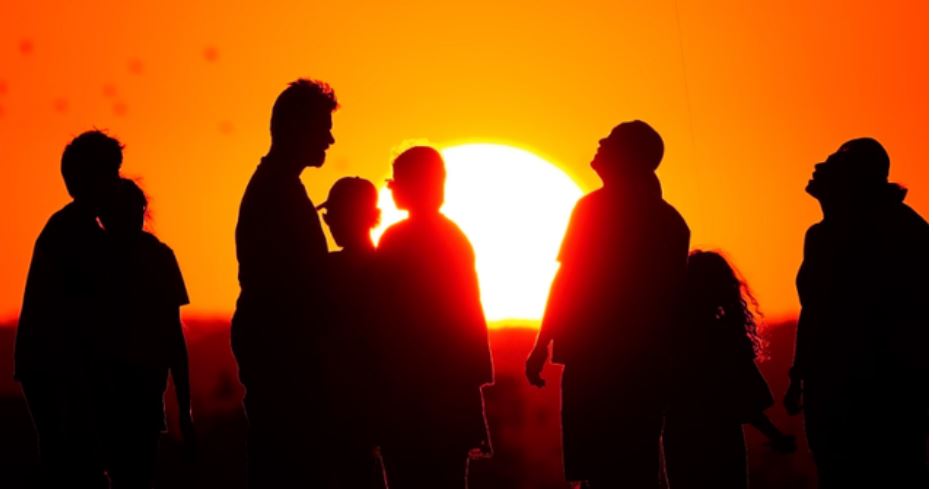
This summer, the Nordic countries faced an unprecedented heatwave, marking a stark reminder of the escalating threat posed by climate change. Scientists have sounded the alarm, attributing the deadly heatwave to the ongoing climate crisis, with evidence mounting that no region, not even the traditionally colder climes of Norway, Sweden, and Finland, is immune to the impacts of global warming. Researchers from Gazeta Express highlighted the July heatwave, which saw temperatures in Finland soar above 30°C for a record 22 consecutive days, and Sweden experience 10 straight ‘tropical nights’. The severity and likelihood of such extreme weather events have been significantly increased by human-caused climate breakdown, primarily the burning of fossil fuels, making the heatwave at least 10 times more likely and 2 degrees Celsius warmer than it would have been otherwise. The consequences were widespread and devastating, from overwhelmed healthcare facilities and a spike in drownings to rampant wildfires and distress among wildlife populations, including Scandinavian reindeer. The message from scientists is unequivocal: urgent action is required to reduce reliance on fossil fuels and mitigate further climate change risks. Meanwhile, a study reported by Östersunds-Posten focused on Jämtland County, where high temperatures persisted for two weeks, leading to heat warnings from the Swedish Meteorological and Hydrological Institute (SMHI), trains slowing due to melting asphalt, and numerous forest fires. Storlien recorded a heat peak, underscoring the tangible impacts of climate change on the region’s infrastructure and natural environment. These reports serve as a dire warning and a call to action, stressing the need for immediate and concerted efforts to address the climate crisis. Experts argue that the escalating frequency and intensity of such extreme weather events not only underscore the urgent need for a shift towards renewable energy but also frame climate change as a pressing human rights issue, affecting vulnerable populations and Indigenous communities the most. The recent heatwave in the Nordic countries is a clear indicator of our global vulnerability to climate change, emphasizing the need for proactive measures to protect human and environmental health against the backdrop of a warming planet.
 TheLittleTwentieth - Renowned Papers Edition, AI Infused