Local sources from United States: The Guardian, PBS.
UK coverage: The Guardian.
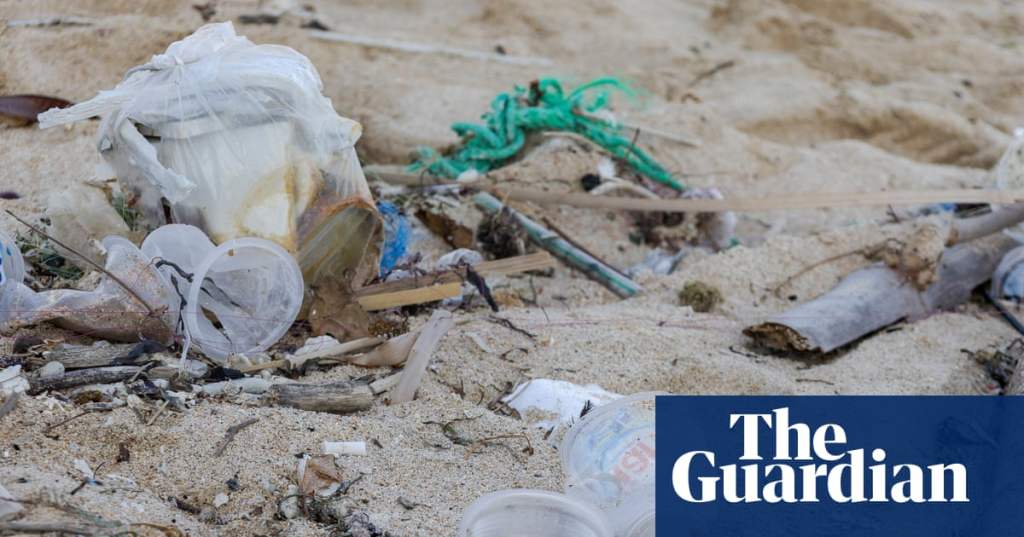
As the deadline approaches, the ambitious endeavor to establish the world’s first legally binding treaty dedicated to ending plastic pollution is facing significant challenges, casting doubt on the potential success of these pivotal negotiations. With just one day left before the scheduled conclusion, a major impasse has emerged, prominently featuring key nations such as Colombia, the European Union, and the United Kingdom, which have rejected the current draft text for its lack of ambitious measures, including the absence of production caps and provisions to tackle the presence of toxic chemicals in plastics. This development places the talks in a precarious position, raising concerns about the feasibility of reaching a consensus in time. Nearly 100 countries have thrown their support behind the call for legally binding measures to significantly curb plastic production, emphasizing the critical need to manage the toxic chemicals associated with plastics. The heart of the dispute lies in the proposed strategies to combat plastic pollution: whether to implement strict limits on plastic production or to focus on enhancing design, recycling, and reuse initiatives. Countries with vested interests in the oil and plastic industries, alongside notable opposition from the United States and the chemical industry, stand against the imposition of production limits, arguing in favor of improving waste management and recycling efforts instead. The latest draft of the treaty, which was presented at a meeting in Geneva, has been met with widespread criticism from multiple delegations for its perceived lack of ambition and failure to introduce binding measures on production or address the issue of chemicals in plastics, with only 30 hours remaining to forge a path forward. Environmental organization Greenpeace has condemned the new draft as a significant concession to the petrochemical industry, highlighting its failure to address the fundamental problem of escalating plastic production. This deadlock underscores the complexities of negotiating a comprehensive global treaty that satisfies the diverse interests of 184 participating countries while aiming to effectively tackle the burgeoning crisis of plastic pollution. The treaty’s aim to encompass a broad spectrum of issues, from reducing problematic plastics to improving recycling capabilities, without imposing production limits, has drawn criticism from various quarters, including French President Emmanuel Macron, who lamented the draft’s lack of ambition. As the talks draw to a close, the future direction of global efforts to manage plastic pollution remains uncertain, with the world watching closely to see if a meaningful agreement can be reached that will pave the way for significant reductions in plastic pollution.
 TheLittleTwentieth - Renowned Papers Edition, AI Infused