Local sources from South Korea: 뉴시스, 프레시안.
UK coverage: BBC.
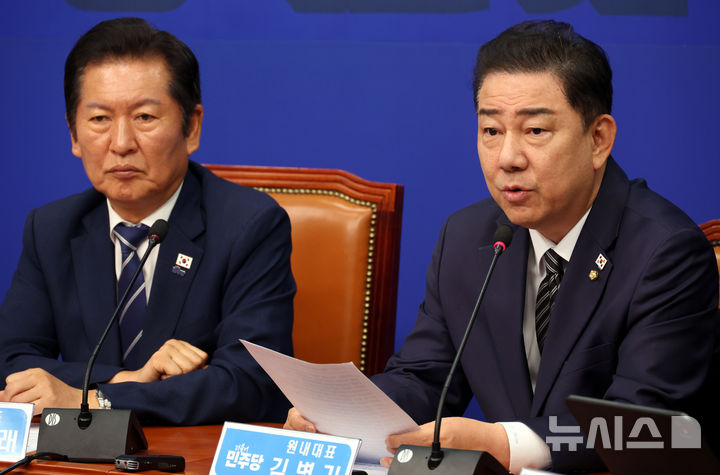
South Korea is witnessing an unparalleled legal drama as Kim Keon Hee, the wife of the nation’s jailed former president Yoon Suk Yeol, has been arrested, facing charges of stock manipulation and bribery. This development marks a historic moment as it is the first time in South Korean history that both a former president and his spouse find themselves behind bars, underscoring the depth of legal scrutiny surrounding the former first couple. Kim Keon Hee, vehemently denying all allegations, was taken into custody following a court hearing in Seoul, with the presiding judge issuing a detention warrant primarily out of concern for potential evidence tampering. Her arrest adds another layer to South Korea’s political scandal involving her husband, Yoon Suk Yeol, who was detained earlier in January amidst allegations related to a botched martial law plot, stirring national unrest and leading to his political downfall. The incidents involving the Yoon family have captivated the nation and raised questions about governance, accountability, and the legal system’s impartiality in South Korea. In response to Kim’s arrest, there have been mixed reactions. The Democratic Party has seized the moment to demand a rigorous investigation and punishment for what they describe as ‘thorough truth-finding.’ A notable voice from the party, Representative Jung Cheong-rae, characterized the arrest as ‘deserved justice,’ going as far as to critique Kim Gun-hee’s very existence as ‘an embodiment of falsehood.’ This statement, reported by 프레시안, reflects the charged atmosphere and the polarized views surrounding this high-profile case. Meanwhile, calls for a swift and thorough investigation by the special prosecutor have intensified, indicating that the political implications of this case are far-reaching. The unprecedented jailing of both a former president and a first lady is not only a significant legal and political event in South Korea but also a moment of reckoning that may redefine public trust in the nation’s democratic institutions and processes. As this story unfolds, it will undoubtedly continue to generate significant interest both domestically and internationally, serving as a critical test of South Korea’s commitment to justice and the rule of law.
 TheLittleTwentieth - Renowned Papers Edition, AI Infused