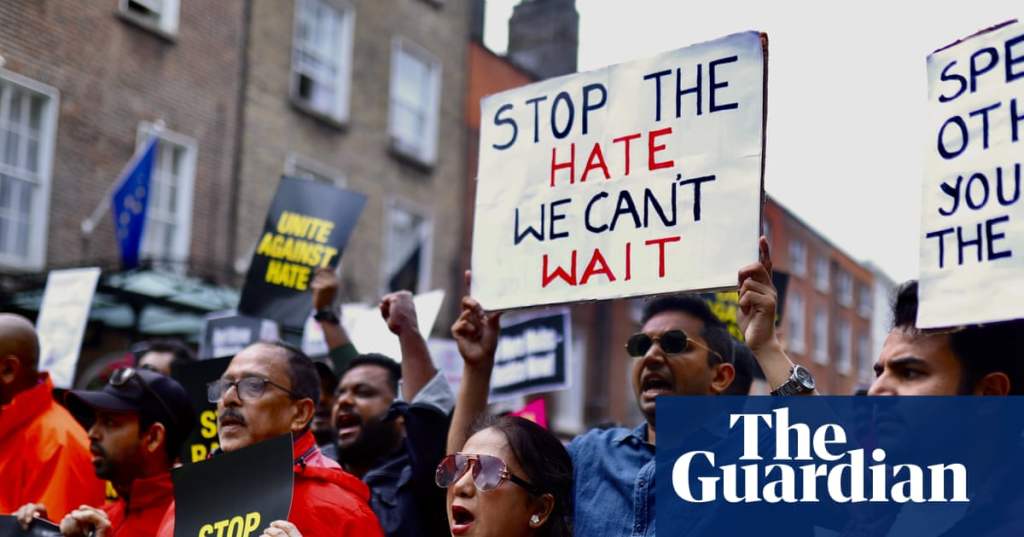
Local sources from Ireland: The Guardian, The Journal.
UK coverage: The Guardian.
Recent incidents of violence against the Indian community and other immigrants in Ireland have sent shockwaves through the nation, raising alarms over increasing xenophobia and racial abuse. These violent episodes, primarily occurring in Dublin suburbs and County Waterford, have involved physical assaults and verbal harassment, leaving victims in fear and confusion. Among those targeted were a young child, taxi drivers, and professionals, with attackers spurring the hatred by telling them to ‘go back to your country.’ Despite ongoing police investigations into these egregious acts, the absence of charges has intensified calls from the Indian embassy and community members for enhanced security measures and public awareness to safeguard immigrants. The surge in attacks unfolds against a backdrop of a deepening housing crisis and a notable rise in anti-immigrant sentiment, further exacerbated by far-right rallies and the spread of inflammatory content online. These developments have stoked a broader debate within Ireland about the emergence of xenophobia and racism in a country traditionally celebrated for its hospitality and inclusive values. The Irish Ambassador to India has vehemently denounced the attacks as ‘appalling’ and sharply discordant with the essence of Irish values, labeling the perpetrations as ‘mindless’ acts that starkly contrast with the nation’s identity as a ‘migrant nation’ known for its long-standing tradition of welcoming immigrants. In a gesture of solidarity, the Indian community was invited to a UEFA match by Shamrock Rovers, signaling a collective stand against racism and a reassertion of Ireland’s commitment to being a safe haven for migrants. This spate of violence and the ensuing response have ignited a nationwide introspection and a rallying cry for stronger hate crime legislation, effective policing strategies, and the implementation of comprehensive anti-racism education programs. As the country grapples with these challenges, some immigrants are contemplating leaving, driven by the abuse that has marred their experience in a nation that many once viewed as a beacon of hope and opportunity. This critical juncture calls for a unified effort to combat racism, ensuring that Ireland remains a welcoming home to all, irrespective of their origin.
 TheLittleTwentieth - Renowned Papers Edition, AI Infused