Local sources from South Africa: CNN, New York Post.
UK coverage: LADbible.
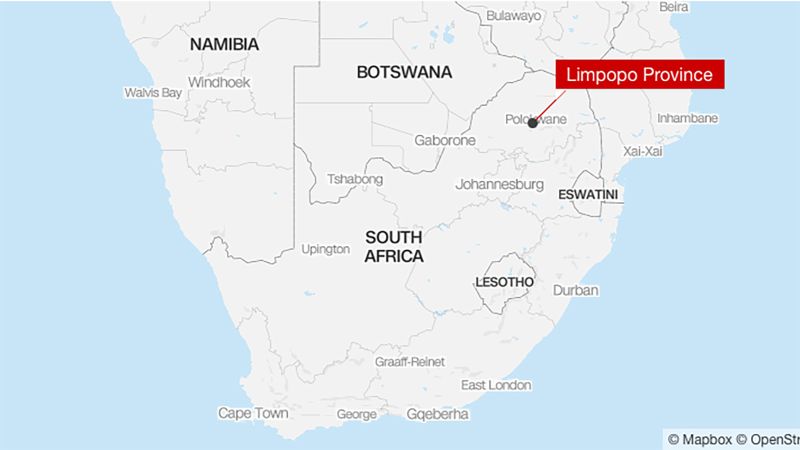
In a tragic turn of events that has gripped the hunting community and sparked debate about the ethics of trophy hunting, American millionaire and big game enthusiast Asher Watkins lost his life in a violent encounter with a 200 stone (approximately 2,800 pounds) buffalo in South Africa’s Limpopo Province. The incident occurred during a guided hunting safari organized by Coenraad Vermaak Safaris (CVS), a company known for its specialized hunting trips. Watkins, 52, hailed from Texas where he amassed his fortune through the Watkins Ranch Group, dealing in luxury ranches across Texas, Oklahoma, and Arkansas. His death during the safari has left a deep void in the hearts of his family and friends, including his daughter Savannah and ex-wife Courtney, who are reeling from the shock and heartbreak of the unforeseen tragedy. According to reports from both CNN and the New York Post, Watkins, accompanied by a professional hunter and an animal tracker, was in pursuit of the Cape buffalo, a species renowned for its formidable size and aggressive nature, particularly when threatened. Without warning, the buffalo charged, fatally wounding Watkins in an instant before being neutralized by a single bullet from another member of the hunting party. Cape buffalo are notorious among the big five game animals in Africa for their unpredictability and the inherent risk they pose to hunters, earning them a reputation as one of the continent’s most dangerous animals to hunt. The incident has reignited conversations around the ethics of big game hunting, a practice that has long faced criticism from animal rights and conservation groups worldwide. Organizations such as People for the Ethical Treatment of Animals (PETA) have condemned trophy hunting, suggesting that such practices are not only cruel but also unnecessary risks that can lead to tragic outcomes, as witnessed in Watkins’s case. The Custodians of Professional Hunting and Conservation are currently reviewing the incident, while South African authorities are under scrutiny for their stance on trophy hunting in the region. As the world reflects on this tragedy, the debate over the balance between hunting traditions and wildlife conservation continues to intensify. Watkins’s untimely death serves as a stark reminder of the unpredictable and often perilous nature of hunting some of the world’s most dangerous animals. His passing has sparked a wave of condolences from within the hunting community and beyond, with many calling for a reevaluation of hunting practices and regulations to prevent future incidents of this nature.
 TheLittleTwentieth - Renowned Papers Edition, AI Infused