Local sources from United States: yahoo.com, National Geographic.
UK coverage: LADbible.
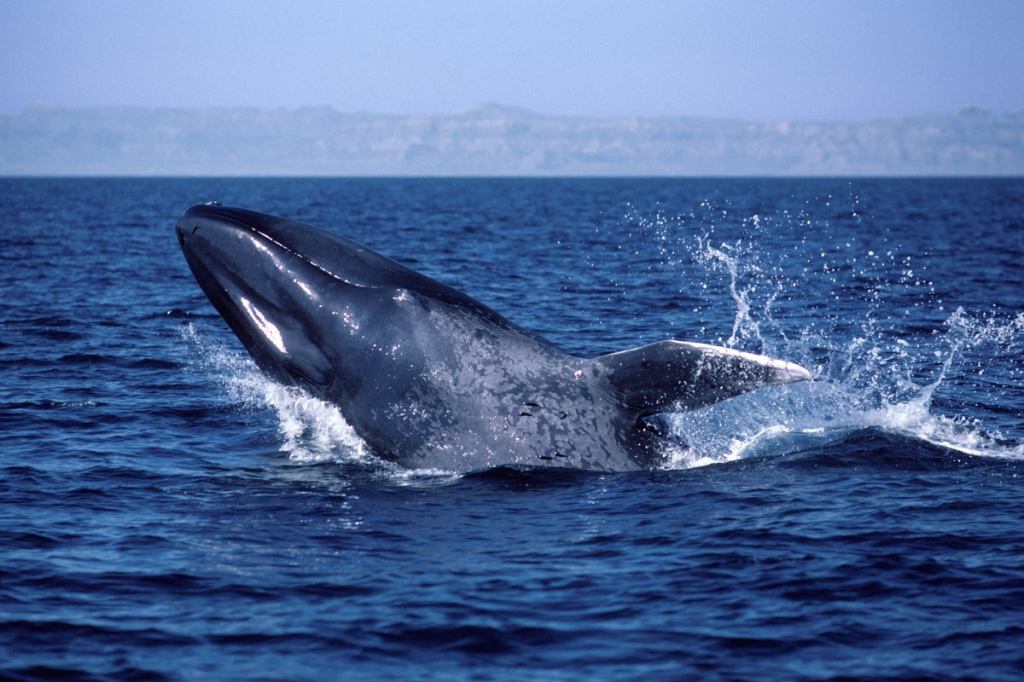
Scientists from the Monterey Bay Aquarium Research Institute have raised alarms over a concerning trend observed among blue whales, the planet’s largest inhabitants. According to recent research, these majestic marine mammals are significantly reducing their vocalizations, with a worrying drop of nearly 40% over the last six years. This decrease in communication among blue whales is linked to the adverse impacts of climate change on the ocean’s chemistry and the availability of krill and anchovies, essential components of the blue whale’s diet. A notable marine heatwave, aptly named ‘The Blob,’ which began in 2013, has been identified as a key factor contributing to this alarming trend. This event led to an increase in ocean temperatures by more than 4.5°F, creating conditions that drastically diminished krill populations due to toxic algae blooms and significantly altered marine ecosystems. As a result, blue whales have been forced to expend most of their energy on the arduous task of hunting for food, leaving them with little to no energy to engage in their usual vocalizations. The vocalizations of blue whales are not just a means of communication; they play a crucial role in their mating rituals and social interactions. The observed decrease in these vocalizations is a dire warning sign, indicating the severe stress these creatures are under and the broader implications for ocean health. An article from yahoo.com further elaborates on the study published in PLOS, highlighting the start of the vocalization decline during ‘The Blob’ marine heatwave. The piece emphasizes the broader ecological problems indicated by this trend, with climate change identified as a key exacerbating factor threatening not only blue whales but the entire marine ecosystem. Similarly, National Geographic’s coverage of the issue sheds light on the connection between marine heatwaves, exacerbated by climate change, and the scarcity of krill—a staple in the blue whale diet. This scarcity affects the whales’ ability to feed efficiently, further emphasizing the urgent need to address these environmental challenges. In the face of such dire warnings, the decline in blue whale songs serves as a poignant reminder of the urgent action required to combat the ongoing threats posed by climate change. It highlights the need for comprehensive strategies to protect these magnificent creatures and the ecosystems they inhabit. As the world grapples with the broader impacts of climate change on marine life, the silence of the blue whales resonates as a call to action, urging humanity to heed the warning signs before it’s too late.
 TheLittleTwentieth - Renowned Papers Edition, AI Infused