Local sources from Italy: SiViaggia, Pompeii Sites.
UK coverage: The Art Newspaper.
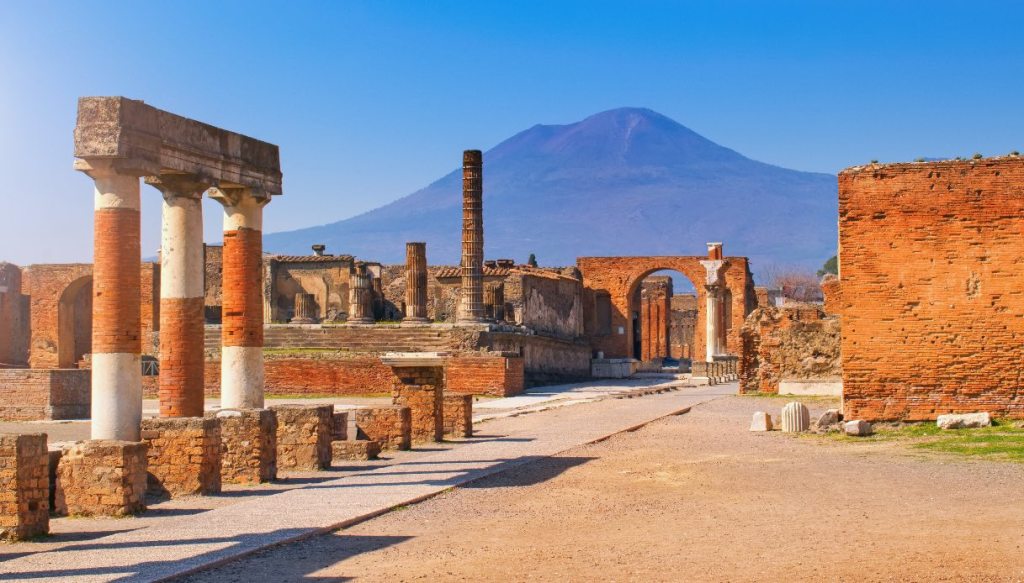
Recent archaeological investigations have unveiled a groundbreaking perspective on the ancient city of Pompeii, challenging the long-standing narrative of its total abandonment post the catastrophic eruption of Mount Vesuvius in 79 AD. Far from being a desolate ruin, Pompeii experienced a remarkable phase of reoccupation and resilience, shedding light on a previously overlooked chapter in its history. This ‘second Pompeii’ era reveals the city’s transformation into a settlement that, although precarious, was brimming with life and adaptation. Contrary to the traditional image of an instantaneously frozen city, Pompeii’s story continued in the shadows of its own ruins. Researchers and archaeologists from both SiViaggia and Pompeii Sites have contributed to this new understanding, providing compelling evidence of a community striving against adversity. Following the disaster, survivors, alongside newcomers drawn by the prospect of refuge and opportunity, returned to the city. They repurposed the remaining structures, converting upper floors into makeshift housing and utilizing ground levels as cellars and workspaces. The southern district of the Pompeii Archaeological Park, known as the Insula Meridionalis, has become a focal point for these discoveries. Artefacts such as ovens and ceramics, indicative of an enduring human presence well into the 5th century, paint a vivid picture of daily life amid the aftermath. This phase of Pompeii’s history, akin to a Roman-era favela, contrasts sharply with its pre-eruption splendor. Lacking the infrastructure and services typical of Roman cities, this settlement highlights the adaptability and resilience of its inhabitants. Despite the absence of its former grandeur and the constant threat of another volcanic event, which eventually occurred in 472AD, these pioneers cultivated the land and scavenged the ruins for valuables, managing to carve out a living in the most challenging circumstances. The Roman Empire, under Emperor Titus, attempted to support this resettlement by redistributing land and maintaining order, acknowledging the persistence of life in the face of devastation. This rediscovery of Pompeii’s post-eruption phase not only enriches our understanding of the ancient city but also serves as a testament to human resilience. It challenges the archaeological community to broaden its focus, recognizing the importance of the traces left by those who lived in the aftermath of one of history’s most famous disasters. As excavations continue, each layer of ash and debris peeled back reveals more about the indomitable spirit of Pompeii’s inhabitants, offering a nuanced narrative far beyond the ruins.
 TheLittleTwentieth - Renowned Papers Edition, AI Infused