Local sources from Pakistan: The Express Tribune, BBC.
UK coverage: BBC.
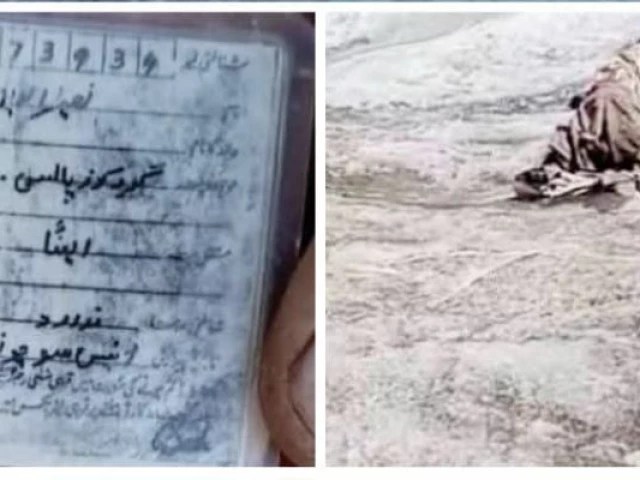
A remarkable discovery in the remote Lady Valley of Kohistan has brought a decades-old mystery to a close, as the body of Naseeruddin, missing for 28 years, was found preserved in a glacier. The discovery was made by a local shepherd named Umar Khan, who stumbled upon the body, sparking interest and sorrow within the community and beyond. Naseeruddin, who vanished in June 1997 after a tragic fall into a crevasse, has been identified through his national identification card found with his remains. The preservation of his body, along with intact clothing, has been attributed to the natural mummification processes of the glacier, a chilling testament to the cold and harsh environment of the region. His family, grappling with violent disputes and legal challenges since his disappearance, is now faced with the task of arranging his burial, bringing a somber closure to their long-held hopes of reuniting. The incident not only sheds light on the personal tragedy of Naseeruddin and his family but also highlights the broader implications of climate change. The Kohistan region, known for its formidable terrain and minimal police presence during the 1990s, is experiencing accelerated glacial melting due to decreased snowfall and increased exposure to direct sunlight. This environmental shift is revealing long-concealed secrets of the glaciers, offering a stark reminder of the changing climate’s impact on natural and human landscapes. The Express Tribune and BBC have both reported on this poignant story, underscoring the intersection of human life, environmental change, and the mysteries lying in wait within the world’s glaciers. As Naseeruddin’s story comes to light, it prompts a reflection on the countless narratives still buried beneath the ice, waiting for the world’s attention.
 TheLittleTwentieth - Renowned Papers Edition, AI Infused