Local sources from India: आज तक, Jagran.
UK coverage: The Guardian.
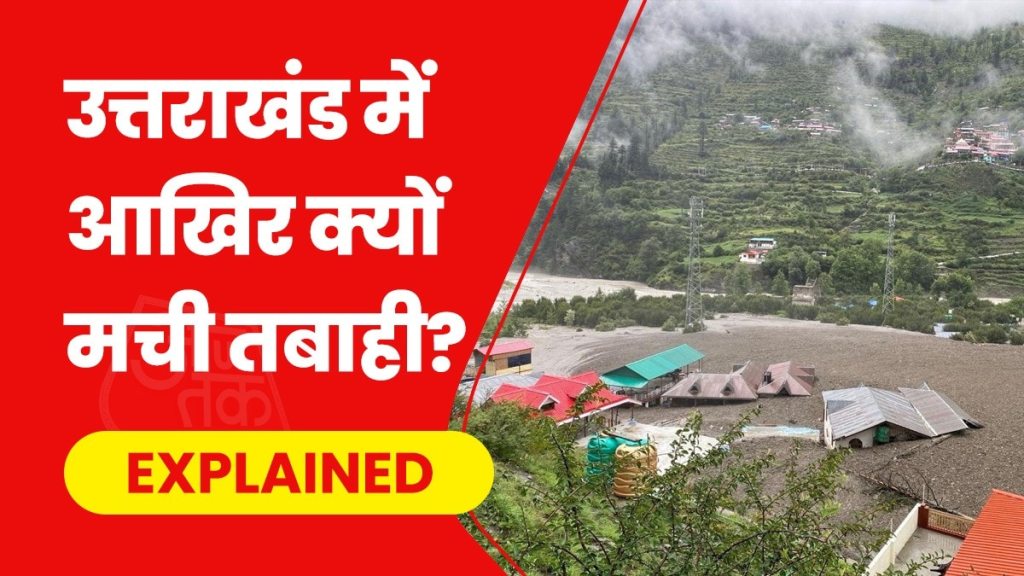
A catastrophic cloudburst in the northwest Indian state of Uttarakhand has resulted in at least four deaths, with over 100 individuals reported missing after a sudden and intense rainfall triggered a devastating flood. The Indian Meteorological Department recorded an extraordinary 210 mm of rainfall within a 24-hour period in the region, categorizing this extreme weather event as a cloudburst. This phenomenon, explained by meteorologist Ruchit Kulkarni, is particularly common in mountainous areas such as the Himalayan foothills and occurs when moist air, lifted by the terrain, forms large cumulonimbus clouds that release heavy rainfall in a concentrated area. Additionally, factors like glacier bursts can exacerbate the situation, leading to greater destruction. The increasing frequency of such extreme rainfall events in India has been linked to the global rise in temperatures and changes in atmospheric composition. The tragic incident sheds light on the broader issue of climatic shifts affecting weather patterns, leading to more frequent and severe natural disasters. In Uttarakhand, a state no stranger to the wrath of nature, flash floods have repeatedly caused significant damage. A recent article from आज तक revisits the recurring nightmare of flash floods in the region, with a focus on the near obliteration of Dharali village near Gangotri following a cloudburst that led to a flash flood in the Khir Ganga River. The unpredictability and sudden onset of flash floods, as discussed in the article, make them especially hazardous, often catching communities off guard and resulting in considerable loss of life and property. The article further delves into the difference between flash floods and other flood types, underlining the former’s abrupt and unforeseeable nature. Another report from Jagran paints a harrowing picture of the disaster in Dharali village, where a cloudburst during the Hadooth Fair transformed the area into a scene of devastation. Eyewitnesses describe how a sudden deluge demolished homes, shops, and hotels, with cries for help being drowned out by the floodwaters. The disaster’s sheer magnitude is evidenced by videos spreading across social media, capturing the community’s shock and the extensive damage inflicted. This recent calamity in Uttarakhand highlights the urgent need for improved disaster preparedness and mitigation strategies, especially in regions prone to such natural disasters. As flash floods become more frequent in the backdrop of changing global climatic conditions, understanding and addressing the factors contributing to these events is imperative for safeguarding vulnerable communities.
 TheLittleTwentieth - Renowned Papers Edition, AI Infused