Local sources from South Africa: Metro.co.uk, Daily Mail.
UK coverage: The Telegraph.
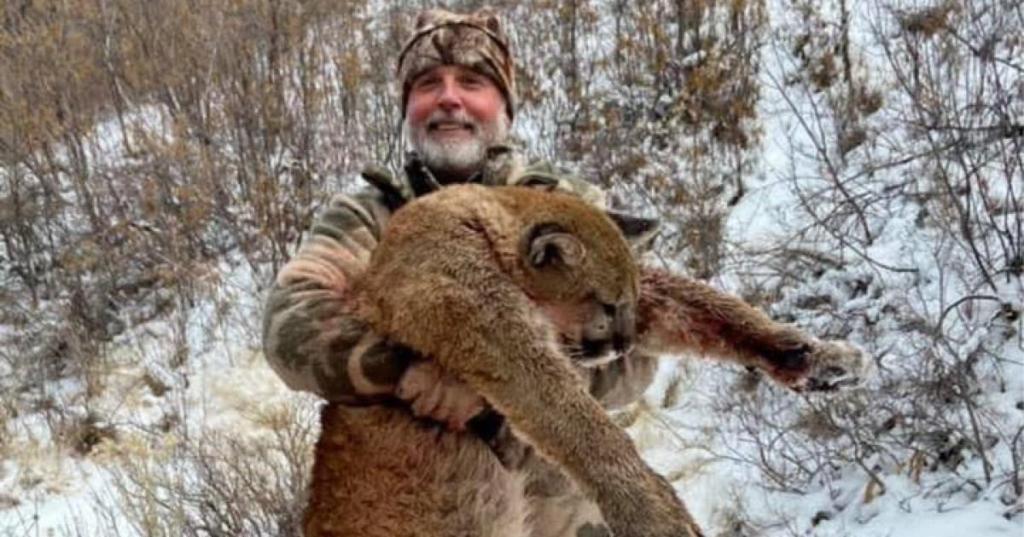
An American millionaire and trophy hunter, Asher Watkins, 52, met a tragic end during a hunting expedition in South Africa’s Limpopo province, after being gored by a Cape buffalo, a species notorious among hunters for its formidable strength and aggression. The incident, which occurred on the second day of his $10,000 safari trip, has sparked a global conversation on the perils of big game hunting and the ethical considerations it entails.
Watkins, hailing from Texas and a prominent figure in the ranch trading business through his Watkins Ranch Group, embarked on the safari organized by Coenraad Vermaak Safaris. The encounter with the buffalo, weighing approximately 1.3 tonnes and capable of speeds up to 35mph, proved fatal, leading to Watkins’ instantaneous death. Described as a sudden and unprovoked attack by safari trip organizer Hans Vermaak, the tragedy underscores the inherent risks of hunting some of the world’s most dangerous animals.
The loss of Watkins has left his family, including his ex-wife Courtney and their teenage daughter Savannah, in profound shock. Tributes have poured in, celebrating his life as a loving father, successful businessman, and adventurous spirit who believed in the importance of hunting for wildlife preservation. However, his death raises poignant questions about the ethics of trophy hunting, an activity that Watkins defended as a means to conserve wildlife.
Cape buffaloes, often referred to as the ‘Black Death’ due to their aggressive nature and the danger they pose to humans, are among the most sought-after targets for hunters in Africa. Yet, they are also responsible for the deaths of approximately 200 people each year on the continent, highlighting the lethal challenges hunters face.
Watkins’ demise has not only reopened debates about the moral implications of hunting big game but also about the safety of hunters pursuing such perilous quests. As the global community reflects on this incident, it is clear that the conversation around conservation, ethics, and the thrill of the hunt remains as complex and divisive as ever.
 TheLittleTwentieth - Renowned Papers Edition, AI Infused