Local sources from Romania: Europa Liberă România, Jurnalul.
UK coverage: The Telegraph.
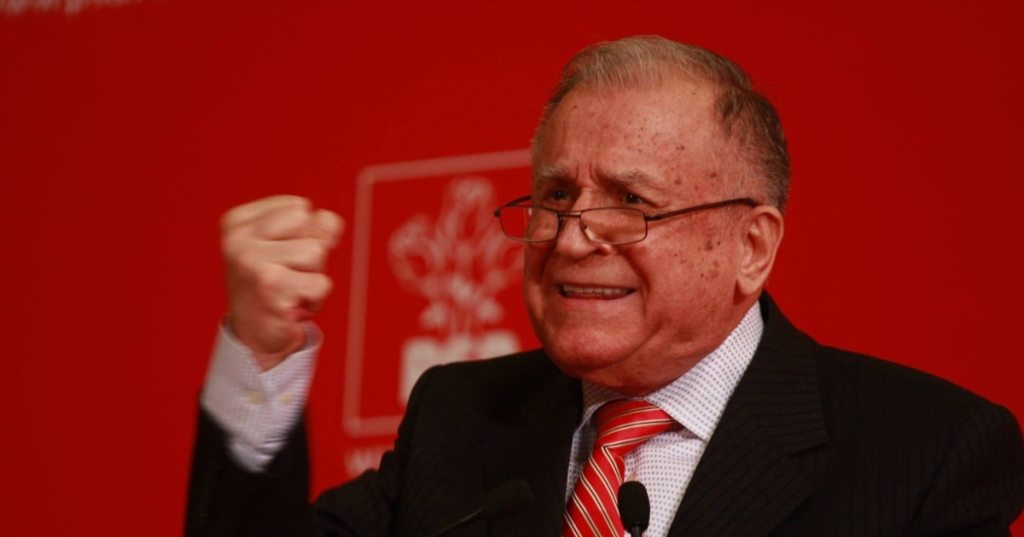
Romania and the world mark the passing of Ion Iliescu at the age of 95, a figure whose life and political career have sparked intense debate and reflection. As Romania’s former president, Iliescu’s death brings to a close a significant chapter in the nation’s post-communist history, a period marked by transformation, controversy, and the quest for identity within the European landscape. Born into the tumult of early 20th century Romania, Iliescu’s rise to prominence was as complex as the nation’s own journey through times of oppression, revolution, and reform. His tenure, which saw Romania transition from the shadows of Nicolae Ceauşescu’s dictatorial regime to a member of the North Atlantic Treaty Organization (NATO), was both celebrated for its achievements and criticized for the methods through which power was maintained and exercised. Having been hospitalized since June 9 due to lung cancer, Iliescu’s death on August 5, 2025, was announced by both Europa Liberă România and Jurnalul, highlighting the end of an era for Romania. His three terms as president were characterized by a blend of continuity and change, reflecting both the resilience of older political structures and the nascent development of democratic institutions. Despite his pivotal role in leading Romania into NATO in 2004, Iliescu’s reluctance to fully renounce communism and the murky aspects of his involvement in the December 1989 events and the miners’ riots of the 1990s have left a complex legacy. The legal proceedings related to these events, still unresolved at the time of his passing, underscore the lingering questions about accountability and justice in post-communist Romania. Cătălin Ranco Pițu, a former magistrate involved in the investigation into the Revolution case, offered insights into Iliescu’s character and the implications of his death for Romania’s judicial process. Describing Iliescu as an ‘elegant man’ in demeanor, Pițu noted a transformation when confronting the darker aspects of his legacy. With Iliescu’s passing, the continuation of legal processes related to his era is anticipated, with expectations of no interference from the judiciary. As Romania reflects on Iliescu’s legacy, the nation is reminded of the challenges of reconciling the past with the present, of acknowledging achievements while confronting the shadows of history. Iliescu’s life story is, in many ways, the story of modern Romania – a narrative of struggle, compromise, and the ongoing quest for a democratic identity. His departure invites a renewed examination of Romania’s journey since 1989, an exploration of the paths taken, the decisions made, and the visions for the future that have guided one of Eastern Europe’s most fascinating countries.
 TheLittleTwentieth - Renowned Papers Edition, AI Infused