Local sources from India: आज तक, ABP News.
UK coverage: Financial Times.
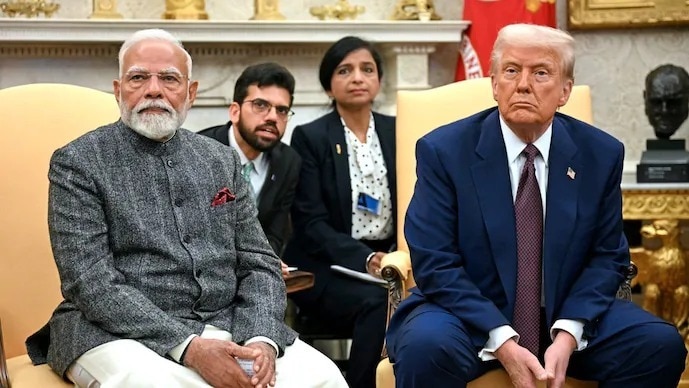
In an unexpected move that has sent ripples through the international trade community, President Donald Trump declared the United States will impose a 25% tariff on imports from India, starting August 1st. This announcement, made via the social media platform ‘X’, comes amidst ongoing preparations for a significant trade deal between the two nations. Trump’s justification for the steep tariff centers on what he perceives as India’s prohibitively high tariffs, which he argues are among the highest globally, and its continued military purchases from Russia, especially in light of the current geopolitical tensions involving Ukraine.
The reaction in India was swift, with BJP MP Praveen Khandelwal expressing hope that the U.S. administration might reconsider its stance. Khandelwal highlighted the potential negative impact such tariffs could have on market prices in India and hinted at possible discussions between the two countries’ administrations to resolve the issue.
On the other hand, Trump’s remarks, as reported by ABP News, underscored a mix of frustration and strategic concern. Besides critiquing India’s high tariff rates and its defense and energy transactions with Russia, Trump also voiced his displeasure towards the BRICS nations’ consideration of establishing their own trading currency, viewing it as a direct affront to U.S. economic interests. He specifically pointed out the additional challenges brought about by these countries’ continued trade with Russia amidst sanctions imposed by the U.S. and European countries due to the conflict in Ukraine.
India’s official response to the tariff announcement is still pending. However, Trump’s decision underlines the complexity of international trade relations and the delicate balance between diplomacy and economic policy. As the deadline for the imposition of tariffs nears, the international community watches closely to see how these negotiations evolve and what implications they may have for global trade dynamics.
 TheLittleTwentieth - Renowned Papers Edition, AI Infused