Local sources from Greece: Euronews.com, η ναυτεμπορικη.
UK coverage: BBC.
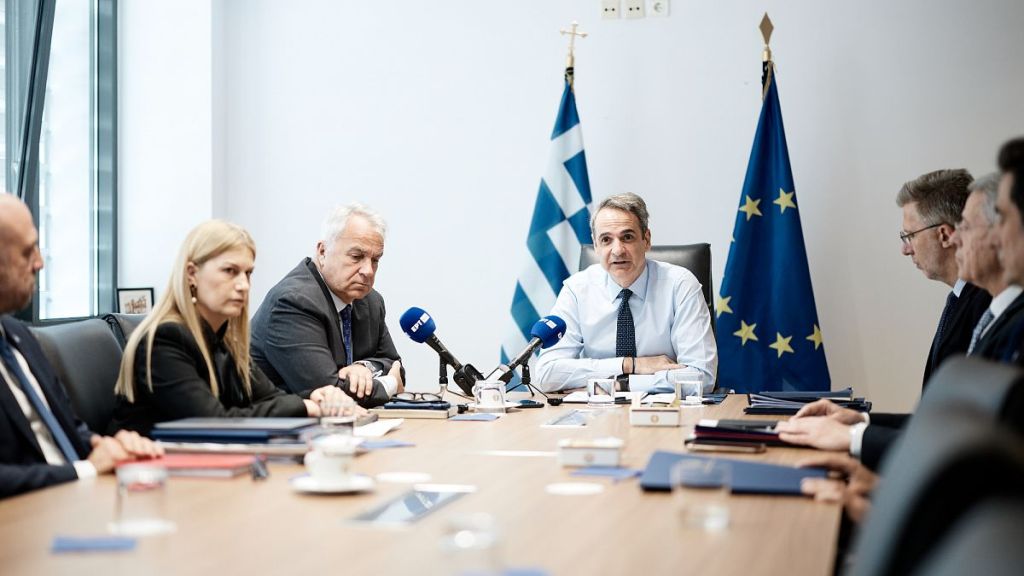
Greece is currently grappling with an increase in migrant arrivals by small boats, particularly to the island of Crete, raising concerns among local businesses about the potential impact on the country’s vital tourism industry. The Greek government, in response, has announced plans to temporarily suspend asylum rights during the summer months, aiming to protect the tourist sector. This drastic measure highlights the challenges Greece faces in balancing security, human rights, and economic interests amid fears of a mass migration wave from North Africa. The situation in Crete, especially in tourist spots like Paleochora, underscores the complex dynamics between the presence of migrants and the perceptions of tourists, with local businesses worried despite the minimal actual presence of migrants in these areas. The Greek government’s strategy includes stricter measures against irregular migrants, proposing incarceration for those whose asylum requests are rejected and the implementation of electronic surveillance to monitor movements. This tough stance, according to the migration minister, is not only about protecting Greece but also safeguarding other European countries from the pressures of mass migration. The debate around this approach is intensifying, with concerns over the balance between ensuring security and upholding the rights of individuals fleeing conflict and hardship. In related developments, Greek Prime Minister Kyriakos Mitsotakis has emphasized Greece’s role in European discussions on regulating migrant returns. Mitsotakis’s visit to the Ministry of Migration and Asylum illuminated Greece’s policy direction: welcoming those eligible for asylum while striving to return those entering illegally. This stance is expected to be strengthened by a new return regulation at the European level, aiming at a rational, effective, and strict management of both illegal and legal immigration, ensuring migrants fill necessary job vacancies within the framework of national legislation. Moreover, Greece is enhancing its international cooperation to manage migration flows, evidenced by the training of Libyan coast guard officers in Athens and Souda. This initiative, part of a collaborative effort with Libya and the EU, focuses on combating irregular migration and preventing smuggling, especially during the peak tourist season. The training follows discussions aimed at controlling migration flows and establishing communication channels between countries, highlighting the need for a comprehensive strategy that includes patrolling international waters and preventing the establishment of new migration routes. Greece’s efforts to manage migration, protect its tourism industry, and fulfill its international obligations reflect the complex challenges at the intersection of domestic policy, human rights, and international cooperation. As Greece navigates these waters, the outcome of these initiatives will undoubtedly influence broader European approaches to migration in the face of ongoing humanitarian crises.
 TheLittleTwentieth - Renowned Papers Edition, AI Infused