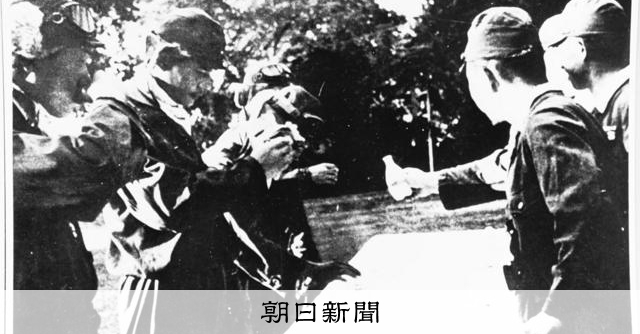
Local sources from Japan: 朝日新聞, PR TIMES.
UK coverage: The Guardian.
In a significant observation of history, media and scholars alike are bringing to light varied perspectives on the kamikaze pilots of World War II, delving into the reasons behind these desperate yet devastating attacks. The Guardian’s TV lineup features ‘Kamikaze: An Untold History’ on BBC Four, offering viewers an in-depth exploration of Japan’s kamikaze pilots during the last 10 months of the war. Through extensive research and interviews, the program seeks to understand the motivations that drove thousands of young men to carry out suicide attacks against U.S. naval vessels, marking a dark yet pivotal chapter in military history. Meanwhile, in Japan, the Asahi Shimbun commemorates the 80th anniversary of the first successful kamikaze attack, reflecting on the strategic and cultural reasons behind the Japanese military’s decision to adopt these tactics. The article highlights the cultural disdain for the idea of becoming prisoners of war, a sentiment deeply rooted in Japan’s military ethos from World War I, where commanders instructed pilots to rather self-destruct than be captured. This ideology was notably reinforced after the Pearl Harbor attack, with pilots avoiding parachutes to prevent capture, emphasizing a complex blend of duty, honor, and desperation. Adding to the discourse, PR TIMES announces the upcoming publication of ‘The Science of Kamikaze Special Attack Units’ by Masayuki Kanazawa. This new book promises a re-examination of the kamikaze narrative through data science and comparisons with Germany, challenging conventional views on the effectiveness and strategic rationale of these attacks. Utilizing American military documents, battle data, and advanced analysis tools like the latest version of ChatGPT, Kanazawa aims to present a nuanced understanding of kamikaze missions, their impact, and the broader implications of war memory in Japanese society. Together, these pieces offer a multi-dimensional view of kamikaze attacks, extending beyond the traditional narrative to explore the scientific, cultural, and psychological aspects of one of World War II’s most controversial tactics. As the world reflects on these events, such explorations serve as a reminder of the complexities of war and the human stories at its core.
 TheLittleTwentieth - Renowned Papers Edition, AI Infused