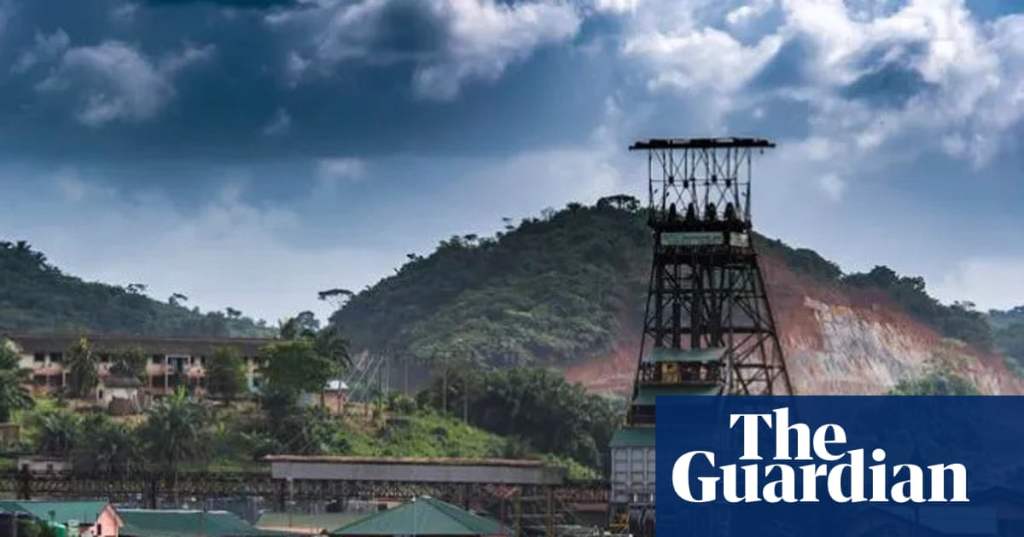
Local sources from Ghana: The Guardian, Al Jazeera.
UK coverage: The Guardian.
In Ghana, a country rich in natural resources, two separate but interrelated issues have emerged, casting a spotlight on the complexities of mining operations and their multifaceted impacts on society, the environment, and international financial and political relations. The acquisition of the Bogoso-Prestea mine by London-based Blue International Holdings has spiraled into a significant controversy, affecting Ghanaian mineworkers, British political figures, and potentially British taxpayers, while the country faces an environmental catastrophe due to illegal and small-scale mining activities, known locally as ‘galamsey’.
London’s ambitious venture into Ghana’s mining sector with a $95m investment in the Bogoso-Prestea gold mine promised a golden future for both the local communities and international investors. Instead, it led to a series of unfortunate events, including unpaid wages, local protests, and the eventual seizure of the mine lease by the Ghanaian government. The venture’s downfall has not only put a strain on Ghanaian-British relations but has also exposed the vulnerabilities of international investment strategies in the complex socio-economic fabric of resource-rich African nations. According to The Guardian, the fallout has extended to the UK’s Future Fund, which invested £3.3m in the company, marking a cautionary tale on the risks involved in such international ventures.
Parallel to the corporate and political drama, Ghana grapples with an ongoing environmental crisis stemming from the surge in illegal and small-scale mining. As reported by Al Jazeera, the rise in global gold prices has fueled ‘galamsey’ activities, leading to severe environmental degradation, including water pollution and deforestation. Despite efforts by the Ghanaian government and a military crackdown on illegal miners, the problem persists, with activists warning of a looming water importation crisis by 2030 if the situation remains unchecked.
The juxtaposition of these two narratives – one of international financial entanglements and local socio-economic impacts, and the other of environmental devastation due to unchecked local and illegal mining practices – reflects the complex challenges Ghana faces in its pursuit of economic development through natural resource exploitation. While the government’s seizure of the Bogoso-Prestea mine lease and the crackdown on ‘galamsey’ mining are steps toward addressing these issues, the path forward requires a multifaceted approach that involves local communities, international investors, and stringent environmental protections.
As Ghana stands at this crossroads, the global community watches closely. The outcomes of these intertwined crises will not only shape the future of Ghana’s mining sector but also serve as a lesson on the broader implications of resource extraction in developing economies. The saga of the Bogoso-Prestea mine and the environmental toll of ‘galamsey’ mining are stark reminders of the delicate balance between economic aspirations and the sustainable stewardship of our planet’s natural resources.
 TheLittleTwentieth - Renowned Papers Edition, AI Infused