Local sources from India: Amar Ujala, Adda247.
UK coverage: BBC.
In a time when the digital age and modern music genres increasingly eclipse traditional arts, Jammu and Kashmir witness the daunting challenge of preserving its rich cultural heritage. Amidst the scenic beauty of Srinagar, a tale of dedication emerges with Ghulam Mohammed Zaz, possibly the last artisan skilled in the craft of handcrafting the santoor. This traditional stringed instrument, known for its bell-like tones, has been a symbol of Kashmir’s cultural identity, lovingly preserved by Zaz’s family over seven generations. However, the craft is on the brink of extinction. The advent of machine-made instruments and a shifting musical landscape favoring genres like hip hop and electronic music among the youth have drastically reduced the demand for traditional instruments like the santoor, leaving artisans like Zaz without apprentices or a market for their art.
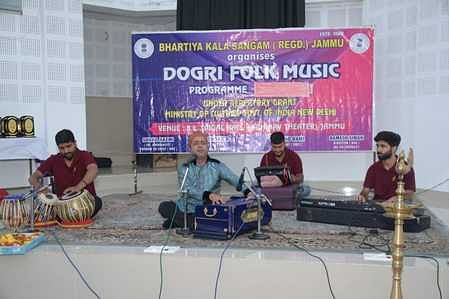
In a parallel reflection of the cultural shifts within the region, a folk music event in Jammu showcased the enduring spirit of the Dogra cultural heritage. Organized by the Bharatiya Kala Sangam, the event held at the Abhinav Theatre was a vibrant display of local songs and dances, highlighting the government’s efforts to bridge the gap between the youth and their traditional roots through art. The event, funded by a grant from the Ministry of Culture, New Delhi, saw notable attendance, signaling a ray of hope for the preservation of such cultural expressions.
However, the cultural landscape of Jammu and Kashmir faced a significant loss with the passing of Ustad Ghulam Nabi Shah, a renowned Kashmiri singer known for his deep connection to Kashmiri folk music. Shah, who passed away in his ancestral village, was celebrated for his exceptional mastery over the Sarangi and his contributions to preserving Kashmiri folk music. His death is mourned as the end of a golden era in Kashmir’s artistic and cultural history, marking an irreplaceable loss to the region’s artistic legacy.
The juxtaposition of efforts to revitalize traditional arts with the challenges and losses faced underscores a critical juncture in Jammu and Kashmir’s cultural history. As the region navigates the preservation of its heritage amidst changing times, the stories of Ghulam Mohammed Zaz and Ustad Ghulam Nabi Shah serve as poignant reminders of the enduring importance of cultural identity and the need for concerted efforts to sustain it for future generations.
 TheLittleTwentieth - Renowned Papers Edition, AI Infused