Local sources from Israel: ynet, הארץ.
UK coverage: Vatican News.
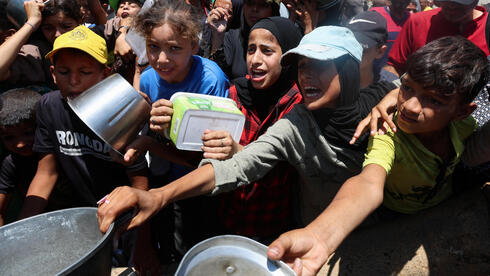
In a significant international response to the ongoing conflict in Gaza, over 20 countries, led by notable nations such as Britain, France, Italy, and including others from across the globe, have issued a joint statement demanding an immediate cessation of hostilities and criticizing Israel for impeding humanitarian assistance to the Gaza Strip. This call for peace echoes the sentiments expressed by Cardinal Matteo Maria Zuppi and Daniele De Paz, President of the Jewish Community of Bologna, who adamantly condemned the war and violence against civilians, advocating for dialogue, humanitarian efforts, and peace. The collective international stance highlights the urgency of addressing the dire humanitarian situation in Gaza, underscoring the necessity of allowing aid to reach those in need without obstruction. The Israeli government, however, dismissed the international condemnation, stating that the criticisms are detached from the realities of the conflict and inadvertently support Hamas’ agenda. This contention stems from the Israeli perspective that Hamas is responsible for initiating and perpetuating the violence. The joint international statement not only calls for the immediate halt of military operations but also emphasizes the importance of dialogue and negotiation as the pathway to lasting peace and security for both Israelis and Palestinians. It critiques the current model of humanitarian aid delivery as insufficient, posing a risk to stability and the dignified survival of Gaza’s civilian population. Furthermore, it demands the release of hostages held by Hamas since October 7, 2023, and strongly opposes any territorial or demographic changes in the occupied Palestinian territories. Israeli Foreign Minister Gideon Saar’s sharp rebuke of the statement indicates the complexities of negotiating a ceasefire and the release of hostages. Despite the political and military intricacies, the international community’s unified call for peace and humanitarian action highlights a collective aspiration towards resolving the conflict through dialogue, mutual recognition, and respect for human rights, mirroring the plea for peace by religious and community leaders.
 TheLittleTwentieth - Renowned Papers Edition, AI Infused