Local sources from United States: UN News, The Guardian.
UK coverage: The Guardian.
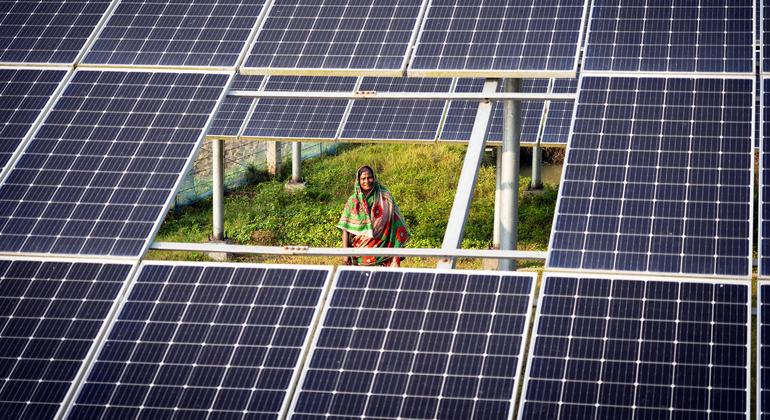
In a landmark announcement, the United Nations Secretary-General, António Guterres, has heralded the approaching end of the fossil fuel era, as the world tilts towards a significant climate breakthrough. With renewable energy sources, particularly solar and wind power, now cheaper than fossil fuels in more than 90% of new power projects globally, the stage is set for an unprecedented transformation in how the world generates and consumes energy. This pivotal shift comes amid growing concerns over climate change, energy security, and the urgent need to limit global temperature rises.
Guterres, speaking from UN Headquarters, highlighted the economic and environmental imperatives driving this transition. Investments in renewable energy have outpaced those in fossil fuels, with a staggering $800 billion funneled into clean energy last year alone. This shift not only underscores the fading viability of fossil fuels but also points to the burgeoning economic benefits of embracing renewables. The UN chief’s address pinpointed six areas of opportunity, ranging from ambitious national climate plans to mobilizing finance in emerging markets, with a notable emphasis on boosting solar energy investments in Africa.
Despite the progress, challenges loom large. Geopolitical tensions, trade tariffs, and supply constraints for critical minerals necessary for renewable energy components pose significant hurdles. Additionally, there’s a pressing need for substantial investments in electricity grids to keep pace with the rapid growth of renewable energy generation. These challenges highlight the complexity of the transition and the need for bold leadership and deeper international cooperation as the world gears up for the upcoming UN Cop30 summit.
Guterres’s call to action comes at a critical moment, as nations and corporations alike grapple with the dual challenges of energy security and climate change mitigation. The urgency of transitioning to low-carbon energy sources is underscored by the economic volatility and geopolitical risks associated with fossil fuel dependency. With the International Renewable Energy Agency’s report showing the cost-effectiveness of renewables, the economic case for this transition is clearer than ever.
As the world stands on the brink of a climate breakthrough, the UN chief’s message is one of optimism tempered with realism. The path to a post-fossil fuel era is fraught with obstacles but also rich with opportunity. The call for G20 nations to revise their national climate plans in alignment with the 1.5°C target of the Paris Agreement is a testament to the UN’s commitment to leading a swift and equitable shift to renewable energy. As the countdown to the Cop30 summit begins, the global community faces a defining challenge: to embrace this new energy era with the boldness and cooperation needed to transform the climate crisis into a story of unprecedented global achievement.
 TheLittleTwentieth - Renowned Papers Edition, AI Infused