Local sources from Japan: 時事ドットコム, jimin.jp.
UK coverage: The Guardian.
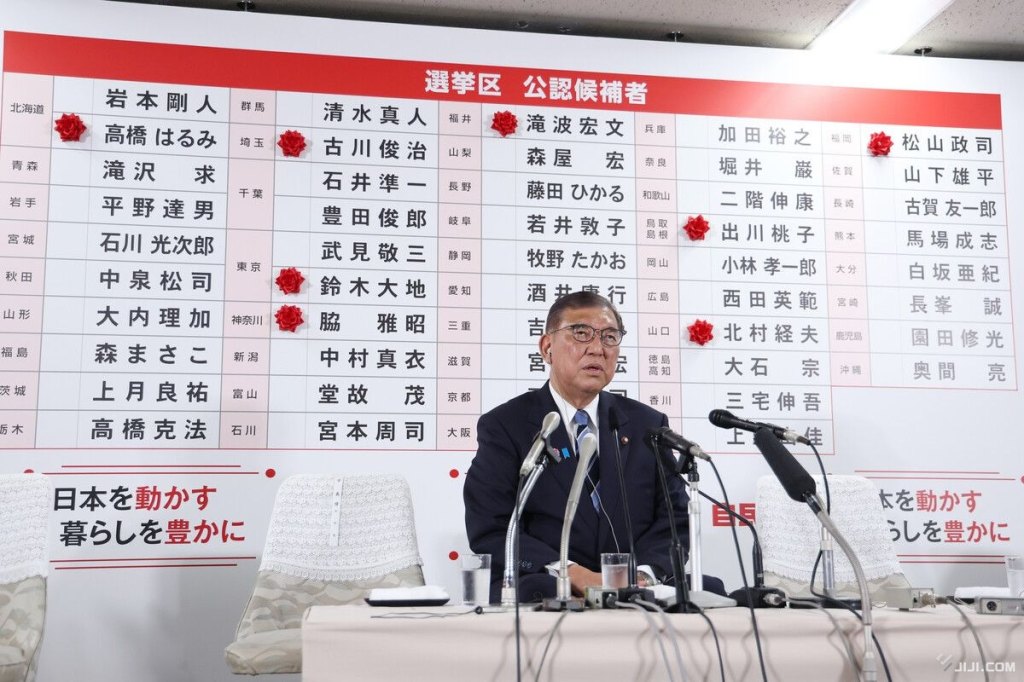
In a significant turn of events, Japanese Prime Minister Shigeru Ishiba and his coalition face an uncertain future after recent election results revealed a loss of the upper house majority, alongside the rise of a rightwing populist party. The Liberal Democratic Party (LDP), led by Ishiba, alongside Komeito, found their majority in jeopardy following the upper house election on July 20, sparking debates about the political stability in Japan and Ishiba’s leadership. Despite the election results not directly affecting the minority government’s status, they add pressure on Prime Minister Ishiba, who has also lost control of the lower house in October and has seen his popularity wane within the LDP. This outcome complicates the critical tariff negotiations with the United States and poses potential economic challenges for Japan, including a technical recession stemming from dropping US auto exports. The rise of the far-right Sanseito party, advocating a ‘Japanese first’ campaign, has captured a significant number of seats, indicating a shift in voter sentiment amid frustrations with mainstream political parties. The LDP’s stance on maintaining the consumption tax, contrary to opposition party proposals to cut it to address inflation, was a key issue among voters. Following the election, Prime Minister Ishiba declared his intention to continue in his position, accepting the election results with humility. However, failing to achieve the target of 50 seats could intensify calls within the LDP for his resignation, with moves for his successor already starting behind the scenes. On the final day of the election campaign, Ishiba made a passionate appeal in Yokohama, emphasizing the importance of preventing a return to political instability and highlighting the risks of rising long-term interest rates, which could adversely affect mortgages and financing for small and medium-sized enterprises. This appeal underlines his focus on responsible economic and fiscal management amidst the political and economic challenges facing Japan. Despite the uncertain political climate and internal criticism within the LDP, Ishiba’s decision seems to be supported by the absence of a clear alternative, with meetings among LDP factions critical of Ishiba being planned, indicating potential challenges to his leadership. As Ishiba appeals for progress over chaos, the political future of Japan remains uncertain, with the LDP viewing the maintenance of a majority as their ‘last line of defense’ for retaining power, yet facing a fragmented opposition and internal divisions. The outcome of these political developments will undoubtedly influence Japan’s future economic and political landscape.
 TheLittleTwentieth - Renowned Papers Edition, AI Infused