Local sources from South Korea: 한국경제, 뉴스1.
UK coverage: FL360aero.
In a recent turn of events that has gripped the nation, the South Korean government’s decision to cancel the announcement of the investigation results into the Jeju Air 7C2216 crash has ignited a firestorm of controversy and grief. The crash, which occurred on December 29 at Muan Airport, tragically claimed 179 lives. Preliminary findings pointed to a catastrophic pilot error—shutting down the wrong engine following a bird strike—as the primary cause, yet bereaved families have vehemently protested these conclusions, demanding more evidence and transparency from the authorities. Their dissatisfaction has led to the indictment of 24 individuals, including high-ranking officials and the CEO of Jeju Air, on charges of negligent homicide, underscoring the profound impact of the tragedy on both the aviation industry and the nation’s collective conscience.
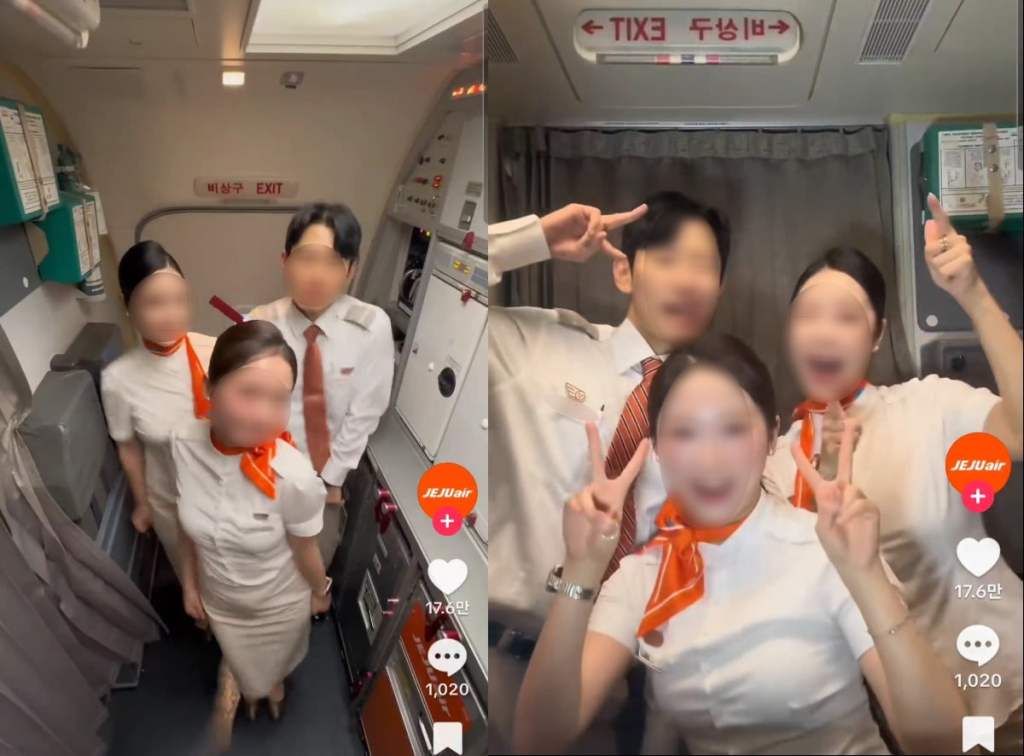
In the midst of this unfolding drama, Jeju Air’s decision to post a ‘Sassy Flight Attendant’ video on its social media platforms, which garnered over 1.95 million views and 176,000 likes, has further inflamed public sentiment. Critics argue the video is a glaring example of insensitivity and a failure to properly honor the memory of those lost in the crash, reflecting a broader debate on corporate responsibility and ethical conduct in the aftermath of such a disaster. Meanwhile, supporters of the flight attendants featured in the video argue that they should not be scapegoated for the company’s missteps.
Adding to the controversy, the Jeju Air labor union has expressed its outrage over the handling of the investigative report, which they perceive as unfairly attributing blame to the pilots without a comprehensive analysis of all contributing factors, including potential managerial and systemic failures. This backlash from multiple fronts highlights the complexities and challenges in achieving closure for the victims’ families, ensuring accountability, and restoring public trust in the aviation sector.
As South Korea grapples with the ramifications of this tragedy, the calls for a thorough, transparent investigation and for Jeju Air to demonstrate genuine accountability and sensitivity have never been louder. The incident not only raises questions about aviation safety but also about how companies respond to and learn from such catastrophic failures. The path forward demands a nuanced understanding of the tragedy, a commitment to justice for the victims and their families, and a concerted effort to rebuild confidence in a sector that touches the lives of millions.
 TheLittleTwentieth - Renowned Papers Edition, AI Infused