Local sources from South Korea: 부산일보, 한국경제.
UK coverage: The Guardian.
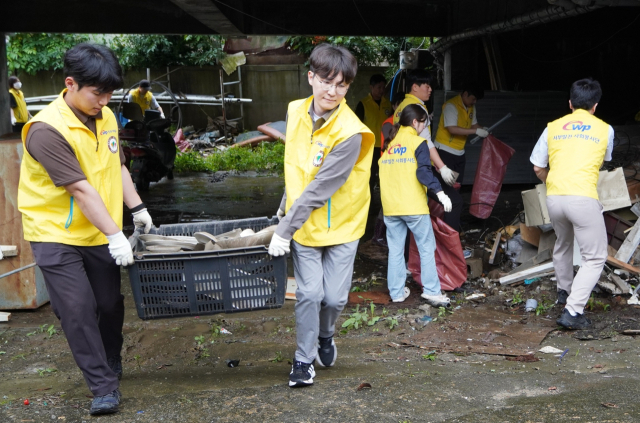
South Korea is grappling with the aftermath of continued torrential rains that have persisted for a fourth consecutive day, leaving nearly 3,000 people displaced and a death toll that has risen to four, with two individuals reported missing. The relentless downpour, which is forecasted to last until Monday, has put the nation on high alert for potential landslides and flooding across various regions. The South Chungcheong province, particularly the area around Seosan, has been among the hardest hit, experiencing record-breaking rainfall of over 500mm since Wednesday. The extensive flooding has affected over 641 buildings, 388 roads, and 59 farms, resulting in significant disruption and damage. North Korea is also bracing for significant rainfall, with forecasts predicting up to 300mm in certain remote areas between Sunday and Tuesday, raising concerns for similar adverse impacts. In response to these challenging conditions, various support and recovery efforts have been mobilized across the affected areas. Korea Western Power (KWP) has notably stepped in to provide rapid assistance to the flood-damaged Taean traditional market, deploying around 20 employees for cleanup and recovery operations. In collaboration with local government authorities, KWP is actively working on long-term restoration plans while also engaging in community support activities. Among their initiatives, KWP has sought to offer relief from the summer heat to the elderly population by donating and providing Samgyetang, a traditional Korean ginseng chicken soup, showcasing their broader commitment to social contribution and the welfare of local communities. Meanwhile, reports from 한국경제 highlight the continued risk posed by the ‘extreme rainfall,’ with forecasts predicting an additional 200 to 300mm of rain in the Seoul metropolitan area through the weekend. The entire country is expected to face cloudy weather accompanied by gusts and thunderstorms, especially on Saturday, 19th. Southern regions, already severely impacted by the torrential downpour, are anticipated to receive up to or more than 300mm of rain by the end of the night, further raising the stakes for additional damage and heightening the urgency for preparedness and response efforts. As South Korea faces this weather crisis, the concerted efforts of government agencies, private entities like KWP, and the resilience of the affected communities will be crucial in navigating the challenges posed by the ongoing torrential rains and mitigating their impacts.
 TheLittleTwentieth - Renowned Papers Edition, AI Infused