Local sources from Russia: Ведомости, Экономика и Жизнь.
UK coverage: The Moscow Times.
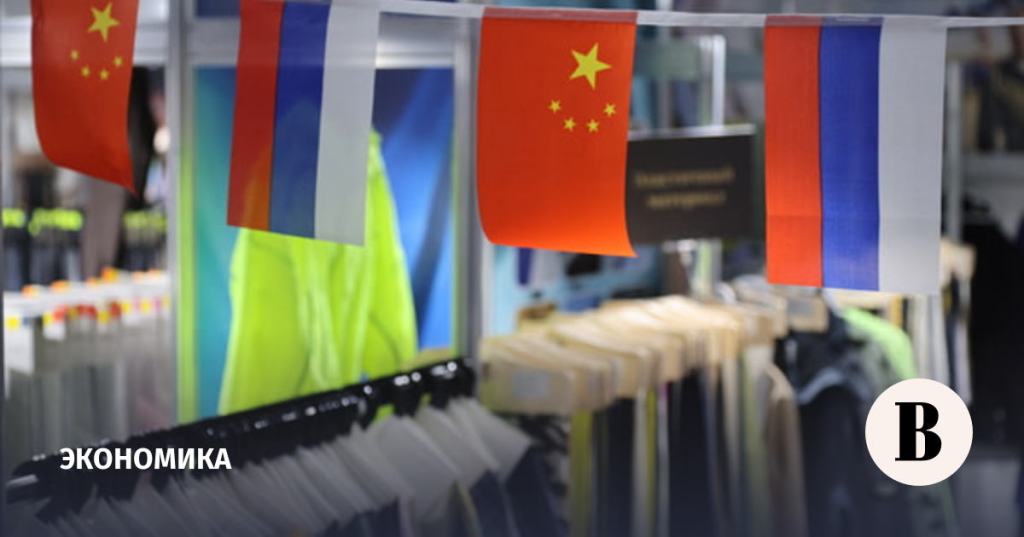
In a surprising turn of events, the robust trade relationship between Russia and China has seen a notable decrease in the first half of 2025. The trade turnover between the two countries fell by 9.1% to $106.48 billion, with both exports and imports experiencing downturns. This development marks a significant shift from the 26% increase witnessed in 2023, indicating a cooling off after a year of slow growth in 2024. The decrease has led to Russia’s trade surplus dipping to $12.16 billion, a figure that highlights the complexities of international trade against the backdrop of geopolitical tensions and economic sanctions. Russia, finding a crucial economic ally in China especially post-Western sanctions due to its activities in Ukraine, now faces a new challenge in sustaining its trade momentum. On the other hand, China’s trade performance in June offered a glimpse of resilience, with exports and imports surpassing forecasts despite facing its own economic hurdles, including a looming property sector debt crisis and escalating youth unemployment rates. A detailed report from April 2025 by China’s General Administration of Customs shed light on the dynamics of the Russia-China trade relationship, revealing a 6.6% decrease in trade turnover during the first three months of 2025 compared to the same period last year, amounting to $53.212 billion. The decrease was attributed to a 6.3% fall in Chinese exports to Russia and a 6.7% drop in Russian exports to China. Nevertheless, there was a silver lining as March saw an improvement, with trade turnover increasing by 16% from February, despite a 7.1% annual decrease in the first two months of 2025. On the domestic front, Russia’s foreign trade landscape in 2024 was characterized by adjustments to sanctions, striking a balance between stagnation and a strategic reorientation of trade partnerships. The nation’s export and import figures contracted slightly, with exports falling to $417 billion and imports to $294 billion. The recalibration of trade alliances saw the share of trade with ‘unfriendly’ countries reduce to 14%, while China’s share in Russia’s imports rose to 39%. Despite achieving record liquefied natural gas (LNG) deliveries to Europe and bolstering oil exports to Asia, Russia’s non-raw materials sector remained underwhelming. The persistence of global sanctions and price volatilities underscored the uneven dynamics of Russia’s foreign trade, with a notable shift in imports towards Asia nearly complete, yet exposing vulnerabilities in high-tech sectors such as pharmaceuticals and medical equipment due to continued reliance on European imports. As Russia navigates this new trade paradigm, the focus turns to overcoming structural challenges, including its dependency on raw materials and a technological lag, underscoring the pressing need for economic diversification and systemic reforms.
 TheLittleTwentieth - Renowned Papers Edition, AI Infused