Local sources from South Africa: BBC, Al Jazeera.
UK coverage: BBC.
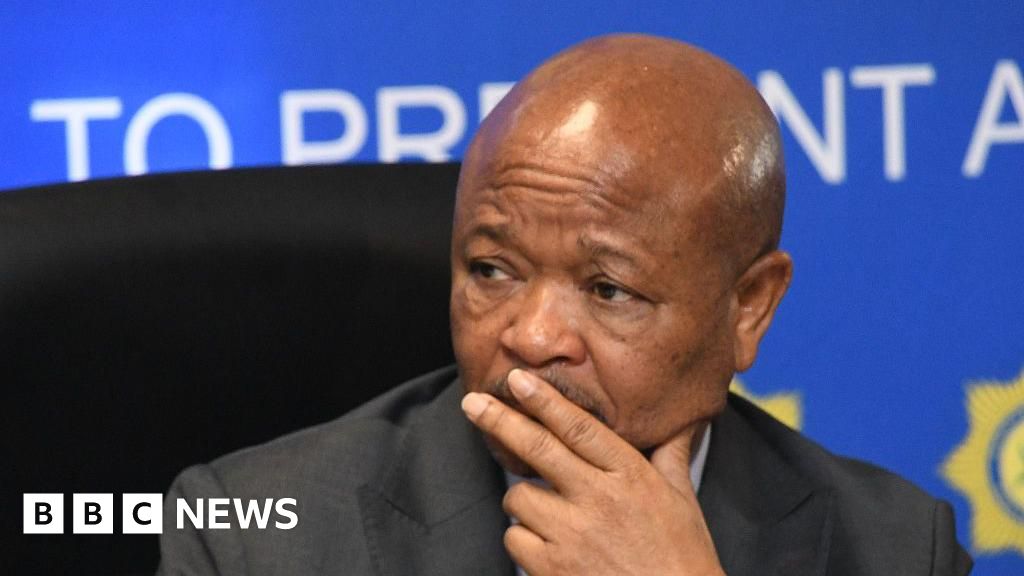
In a significant development that has stirred the South African political landscape, President Cyril Ramaphosa has taken the decisive step of suspending Police Minister Senzo Mchunu following serious allegations that include interference in police investigations, organized crime, and corruption. This suspension, as announced by the presidency, underscores the growing concerns over corruption within the country’s law enforcement agencies and the broader government apparatus. Senzo Mchunu, a key figure within Ramaphosa’s African National Congress (ANC) party, has found himself at the center of accusations primarily stemming from Nhlanhla Mkhwanazi, the provincial police chief of KwaZulu-Natal. Mkhwanazi has publicly accused Mchunu of having financial ties with a corrupt businessman and deliberately disbanding a specialized task force. This task force was actively investigating a series of political killings, and its disbandment has reportedly led to the stalling of probes into 121 case files, some of which were on the verge of resulting in arrests. The commission of inquiry, led by the deputy chief justice, is tasked with unraveling these allegations, which implicate not only Mchunu but also other current and former police officials and members of the national executive. Mchunu, on his part, has welcomed the investigation, asserting his commitment to honour and integrity, and emphasizing his readiness to cooperate with the judicial process. This suspension reflects a broader outcry for accountability and transparency in South Africa, especially regarding high-profile corruption cases. The interim Police Minister Firoz Cachalia has been appointed to fill Mchunu’s role during the investigation. Opposition parties have criticized the president’s response, calling for more decisive action against what they perceive as entrenched corruption affecting the country’s governance. The judicial commission’s findings, expected in staggered reports over the next six months, are eagerly awaited by many who see this investigation as a critical test of South Africa’s resolve to tackle corruption within its ranks.
 TheLittleTwentieth - Renowned Papers Edition, AI Infused