Local sources from Ireland: RTE.ie, CNN.
UK coverage: The Guardian.
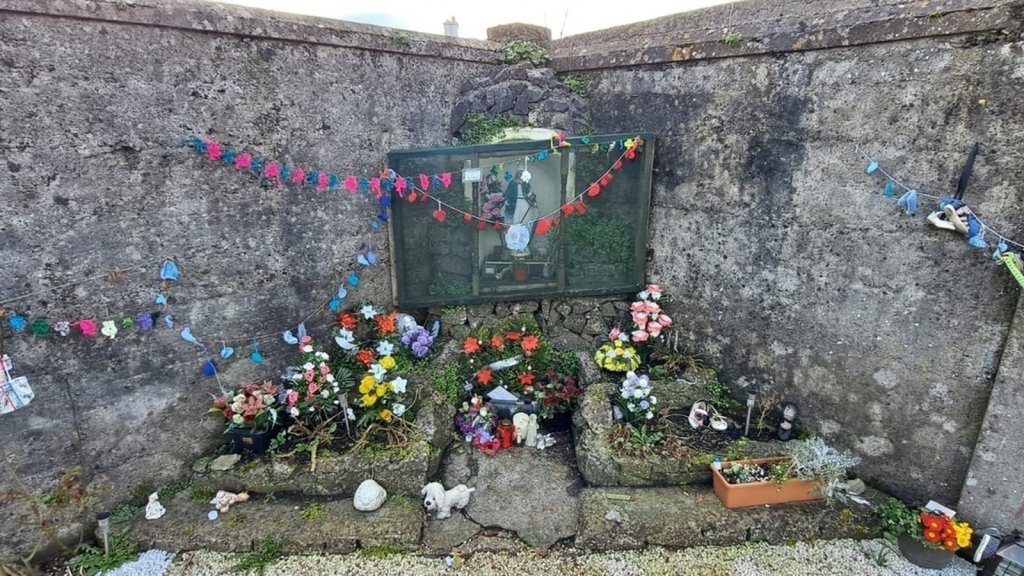
In a poignant chapter of Ireland’s history unfolding in Tuam, County Galway, an extensive excavation operation has commenced at the site of a former mother-and-baby home. This operation aims to unearth the truth behind the nearly 800 infants believed to be buried in a mass, unmarked grave by the Bon Secours nuns between 1925 and 1961. The excavation, spearheaded by the Office of the Director for Authorised Intervention in Tuam (ODAIT), is expected to span at least two years, marking a significant effort by Ireland to address the dark legacy of how children were treated in religious and state-run institutions. The initiative follows after painstaking research by local historian Catherine Corless, who brought the extent of the burials to light, catalyzing a national reckoning and subsequent state apology. The operation faces formidable challenges due to the site’s current state, now part of a housing estate, and the technical complexities involved in recovering co-mingled and delicate infant remains. Specialized international teams are on-site, employing forensic standards to meticulously catalogue, excavate, and analyze the remains with the hope of identifying them through DNA cross-referencing with living relatives. This excavation, which has garnered global attention, underscores the intertwined roles of the Catholic Church and the Irish State in the operation of homes for unmarried, pregnant women. Here, in secrecy and stigma, many infants met their untimely deaths, with their mothers often unaware of their fates. The Tuam babies, as they have come to be known, symbolize a broader investigation into Ireland’s mother and baby homes, which has revealed staggering infant mortality rates and a glaring inaction from authorities over decades. As the world watches, the excavation at Tuam is more than just an archaeological undertaking; it is a profound act of restitution, aimed at bringing closure and dignity to the memories of the lost infants and offering solace to their families. The findings from this excavation are anticipated to provide crucial insights into the practices of the time and, hopefully, pave the way for healing a painful chapter of Ireland’s history.
 TheLittleTwentieth - Renowned Papers Edition, AI Infused