Local sources from Ireland: BBC, Sky News.
UK coverage: Navy Lookout.
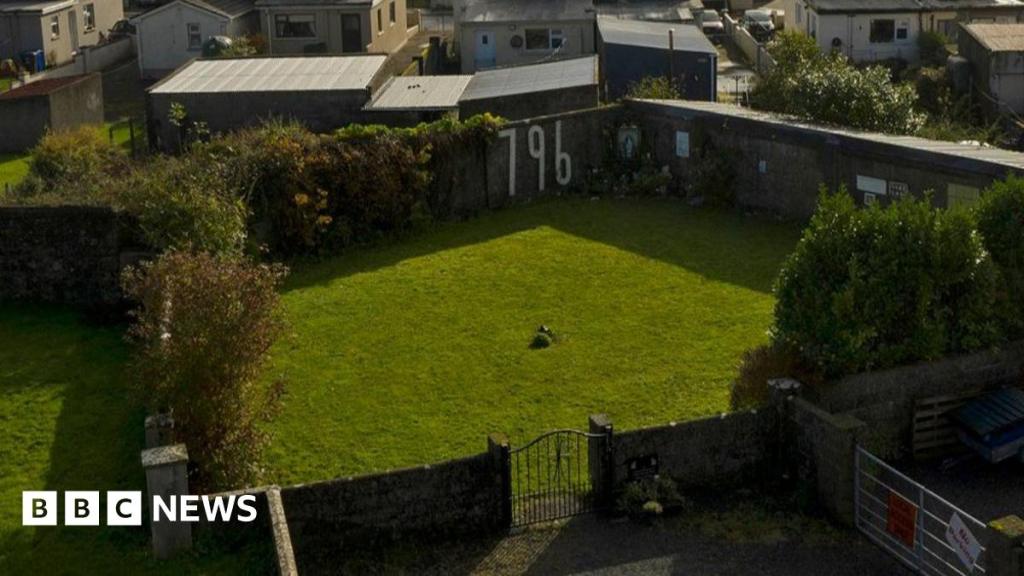
In an unprecedented move that has drawn international attention, experts from around the globe have joined forces in Tuam, County Galway, to begin the arduous task of excavating a site believed to be the final resting place of nearly 800 infants and young children. This site, associated with St Mary’s children’s home, a church-run institution for women and children out of wedlock, has been at the center of a historical scandal that has shocked the world. Catherine Corliss, an amateur historian, unearthed evidence in 2014 of a mass grave, potentially located in a former sewage tank, prompting a nationwide reevaluation of Ireland’s mother and baby homes run by religious orders. The Irish government, acknowledging the gravity of the findings, confirmed ‘significant quantities of human remains’ at the site in 2017, with an excavation process now underway that is expected to last two years. The team, comprising international and Irish specialists from Colombia, Spain, the UK, Canada, and the US, aims not only to excavate but also to identify the remains of the children, offering some semblance of closure to the survivors and relatives who have long awaited answers. Among them is Anna Corrigan, whose discovery that her mother gave birth to two boys in the home has made this excavation deeply personal. The excavation follows a harrowing inquiry into Ireland’s mother and baby homes that revealed an appalling level of infant mortality, prompting a formal apology from the Irish government in 2021. As the world watches, the efforts in Tuam not only seek to provide dignity in death to those long forgotten but also to confront a disturbing chapter in Ireland’s history.
 TheLittleTwentieth - Renowned Papers Edition, AI Infused