Local sources from Israel: ochaopt.org, ynet.
UK coverage: BBC.
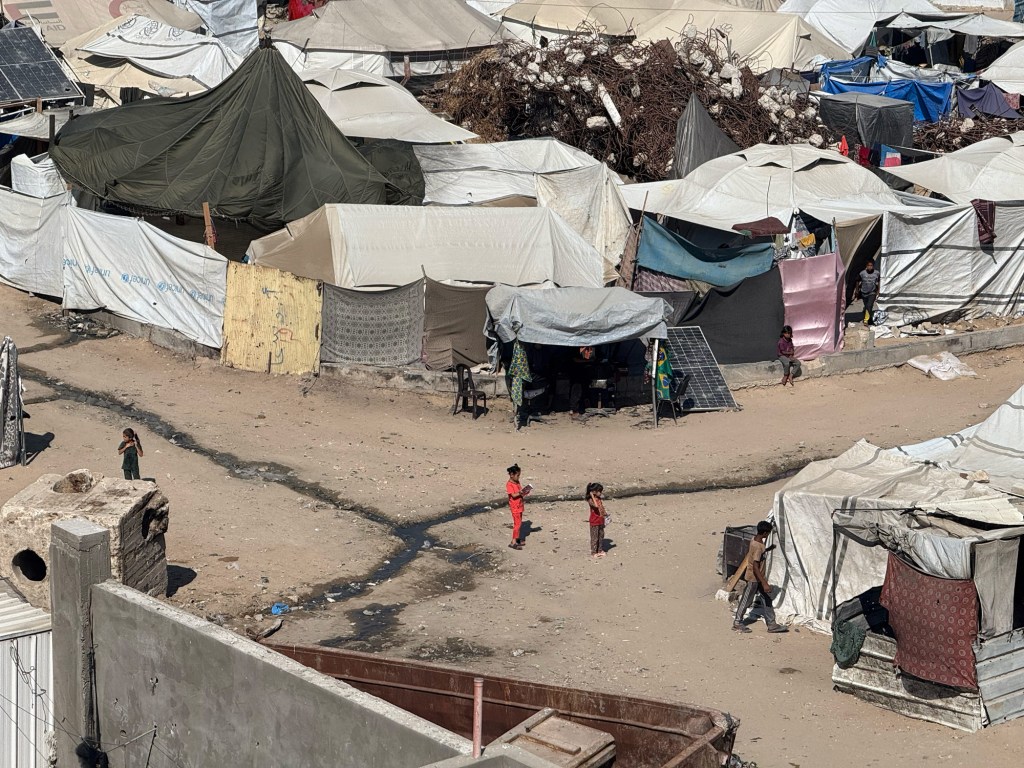
In a concerning development amidst the ongoing conflict, Gaza’s Nasser hospital, the largest operational medical facility in the region, finds itself on the verge of a disaster. Tanks and drones, deployed by the Israeli military, have been reported attacking close to the hospital’s premises, causing panic among civilians and medical staff alike. Witnesses have reported instances of tanks firing and drones targeting tents that housed displaced families, resulting in civilian injuries near the hospital. Dr. Saber al-Asmar, a medical professional from Nasser hospital, has voiced the urgent need for a halt in hostilities to manage the inflow of severe injuries effectively. He underscored the dire conditions under which the medical team is forced to operate, with the hospital grappling with severe shortages of medical supplies and staff exhaustion. Despite the imminent danger, there was no prior warning issued by the Israeli military regarding the operation, leaving little room for the hospital to prepare for the ensuing chaos. In the aftermath of the Israeli forces’ withdrawal, the hospital faces the daunting task of assessing its capacity to resume patient admissions under these strained conditions. The incident at Nasser hospital is a stark reflection of the broader humanitarian crisis unfolding in the Occupied Palestinian Territory. According to the United Nations Office for the Coordination of Humanitarian Affairs (OCHA), the conflict has escalated to alarming proportions, with mass displacements, attacks on civilians, and critical shortages in hospitals marking the severe conditions faced by the populace. As of June 18, 2025, international aid amounting to $669 million has been contributed towards addressing these needs, a figure that falls significantly short of the $4 billion requested for the year. Further aggravating the situation is the severe humanitarian crisis in Gaza highlighted by reports of insurmountable challenges in aid distribution, leading to widespread malnutrition and deaths among adults and children alike. Despite Israel resuming aid entry under US pressure, the chaos prevailing in the region has hindered the effective distribution of food and supplies, with UN and aid agencies reporting significant shortfalls in the humanitarian aid received. Restrictions on journalists’ entry into Gaza, reported looting of aid supplies, and the usage of suffering for propaganda have further muddied the waters, complicating efforts to address the crisis. Calls from international bodies and the Palestinian Red Crescent for increased humanitarian aid underscore the desperate situation, with estimates suggesting that 600 trucks are needed daily to meet the population’s needs. Personal stories emerging from Gaza paint a harrowing picture of the struggle against malnutrition and the lack of basic necessities, amplifying the urgent call for international intervention to alleviate the worsening humanitarian crisis.
 TheLittleTwentieth - Renowned Papers Edition, AI Infused