Local sources from New Zealand: The Guardian, Business Wire.
UK coverage: The Guardian.
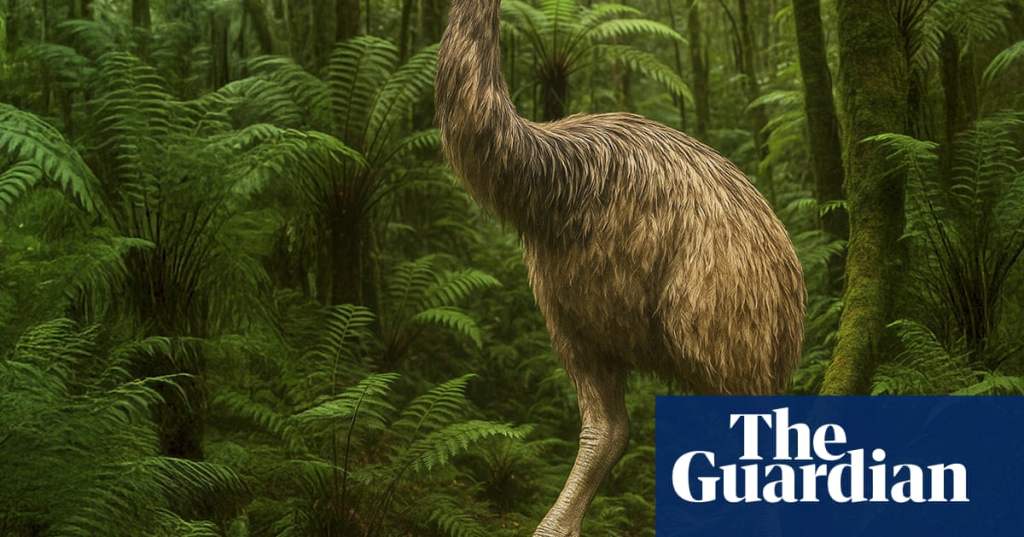
In a groundbreaking announcement that has captured the imagination of the world, Colossal Biosciences, a US-based startup, has unveiled ambitious plans to resurrect the giant moa, a bird that has been extinct for 600 years. The initiative, backed by film director Sir Peter Jackson, aims to collaborate with New Zealand’s University of Canterbury and the Ngāi Tahu Research Centre, harnessing DNA from moa fossils and utilizing gene editing technologies to bring back the towering bird within the next five to ten years. The moa, which stood over three meters tall and was a native of New Zealand, has long been a subject of fascination and mystery since its disappearance around 600 years ago due to overhunting and habitat destruction. Colossal Biosciences’ proposal has ignited a mix of excitement and skepticism across the globe. While some view the project as a revolutionary breakthrough in conservation efforts, many experts are raising concerns about the practicality, ethics, and potential ecological implications of ‘de-extinction’. Critics argue that such endeavors divert critical resources and attention away from preserving the biodiversity that is currently under threat and question the authenticity and ethics of creating genetically modified organisms that resemble extinct species. Furthermore, the changed ecosystems of today may no longer support species that have been extinct for centuries, they caution. Despite the controversy, Colossal Biosciences maintains that their work could significantly contribute to biodiversity conservation and the restoration of genetic diversity among endangered species. In a strategic partnership with the Ngāi Tahu Research Centre and Sir Peter Jackson, Colossal Biosciences has begun sequencing the genomes of all nine moa species. The collaboration aims to blend Māori values and ecological knowledge with cutting-edge genetic engineering and conservation strategies. This partnership not only signifies a step towards bringing back the moa but also emphasizes the role of indigenous leadership in scientific innovation. The project proposes to offer educational and economic opportunities for the Ngāi Tahu community while advancing global conservation efforts and rewilding strategies. As the world watches this ambitious project unfold, the debate around de-extinction continues to evolve. While the technical feasibility of resurrecting the moa remains to be proven, the ethical and ecological considerations at play offer a complex puzzle. Whether or not the moa walks the Earth again, the discussions sparked by this venture are likely to influence conservation science and ethical considerations in biotechnological advancements for years to come.
 TheLittleTwentieth - Renowned Papers Edition, AI Infused