Local sources from Serbia: Al Jazeera Balkans, Radio Slobodna Evropa.
UK coverage: BBC.
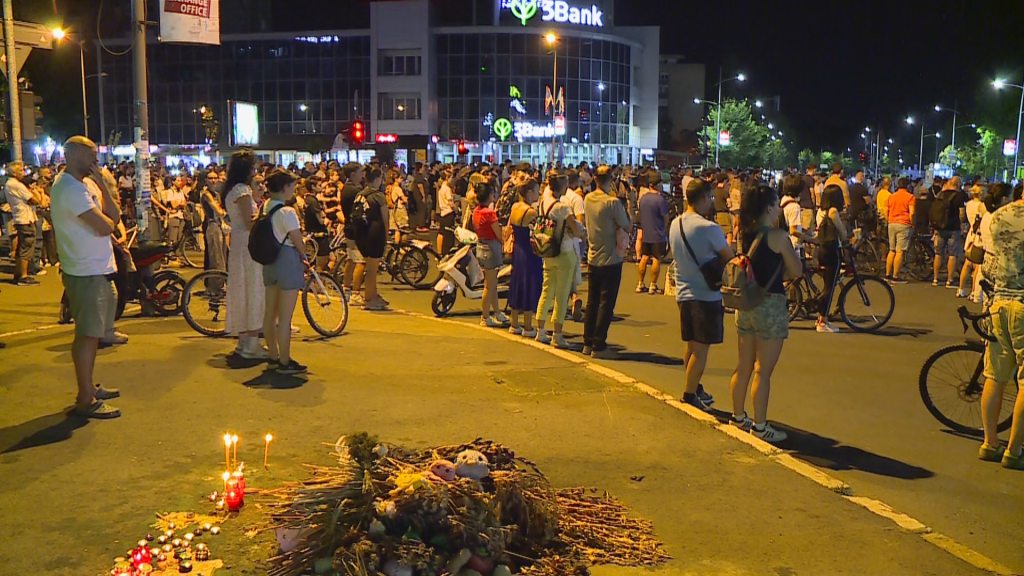
In Serbia, a series of anti-corruption protests that began nine months ago have seen a significant evolution, from student-led demonstrations to a broader coalition of citizens demanding systemic change. The protests, initially sparked by concerns over corruption and governance, have grown in both scope and intensity, now involving a wide array of participants including local residents’ associations. Despite the lack of government compliance with their demands for new elections, the movement has persisted, showcasing remarkable resilience and adaptability. Protesters have employed a variety of civil disobedience tactics to make their voices heard, with roadblocks in major cities becoming a common strategy. These blockades have not only disrupted daily life but have also served as a powerful symbol of the citizens’ discontent with President Aleksandar Vucic and his Progressive Party’s rule. Reports from Al Jazeera Balkans and Radio Slobodna Evropa highlight the ongoing struggle faced by the protesters, emphasizing the road blockades as a key element of the demonstrations. The protests in Serbia, titled ‘Protesti u Srbiji: Građanska neposlušnost i blokade’ by Al Jazeera Balkans and ‘Protesti u Srbiji nastavljeni blokadom puteva’ by Radio Slobodna Evropa, reflect the population’s increasing frustration with the current political situation and their determination to seek change. As the government remains unresponsive to the call for new elections, the protesters’ resolve appears only to strengthen. The ongoing demonstrations in Serbia are a testament to the power of collective action and the importance of civic engagement in the face of political stagnation. With the movement now encompassing a wider demographic, the impact of these protests on Serbia’s political landscape remains to be seen. However, one thing is clear: the people of Serbia are eager for change and are willing to stand up against corruption and misgovernance, continuing their fight for transparency, accountability, and democratic governance.
 TheLittleTwentieth - Renowned Papers Edition, AI Infused